
Pollen Ploidy Determination for Polyploid Breeding & Triploid Seed Programs
Pollen Ploidy Analysis
See ploidy directly in pollen — without staining, in minutes
Plants are exceptional. Many of the world’s most important crops are polyploid — from bread wheat (hexaploid) to potato (tetraploid) to triploid seedless watermelon — and depend on tightly controlled ploidy.
Yet ploidy decisions are usually invisible. Whether your watermelon parents will produce triploid offspring, whether a tetraploid line has silently produced diploid branches, whether your doubled lines really reached the target ploidy — you only know when the seed set arrives, often a season later.
The Amphasys technology measures ploidy directly in pollen. The ploidy classes usually appear as distinct populations in the scatterplot. No staining, no destructive tissue preparation — just mature pollen, on the bench, in minutes.
Two Challenges Where Pollen Ploidy Drives the Outcome
Challenge 1 — Triploid Seed:
Tetraploid Parent Lines Are Not As Stable As Assumed

Triploid seedless watermelon depends on tetraploid × diploid crosses — and the same logic applies to triploid breeding in other crops. Tetraploid lines are bred for exactly that — but the spontaneous appearance of diploid branches on tetraploid plants cannot be prevented, and if it goes undetected it leads to wrong crossings.
Challenge 2 — Polyploid Breeding:
Mixed Pollen Populations — Tissue Tests Don't Show Them
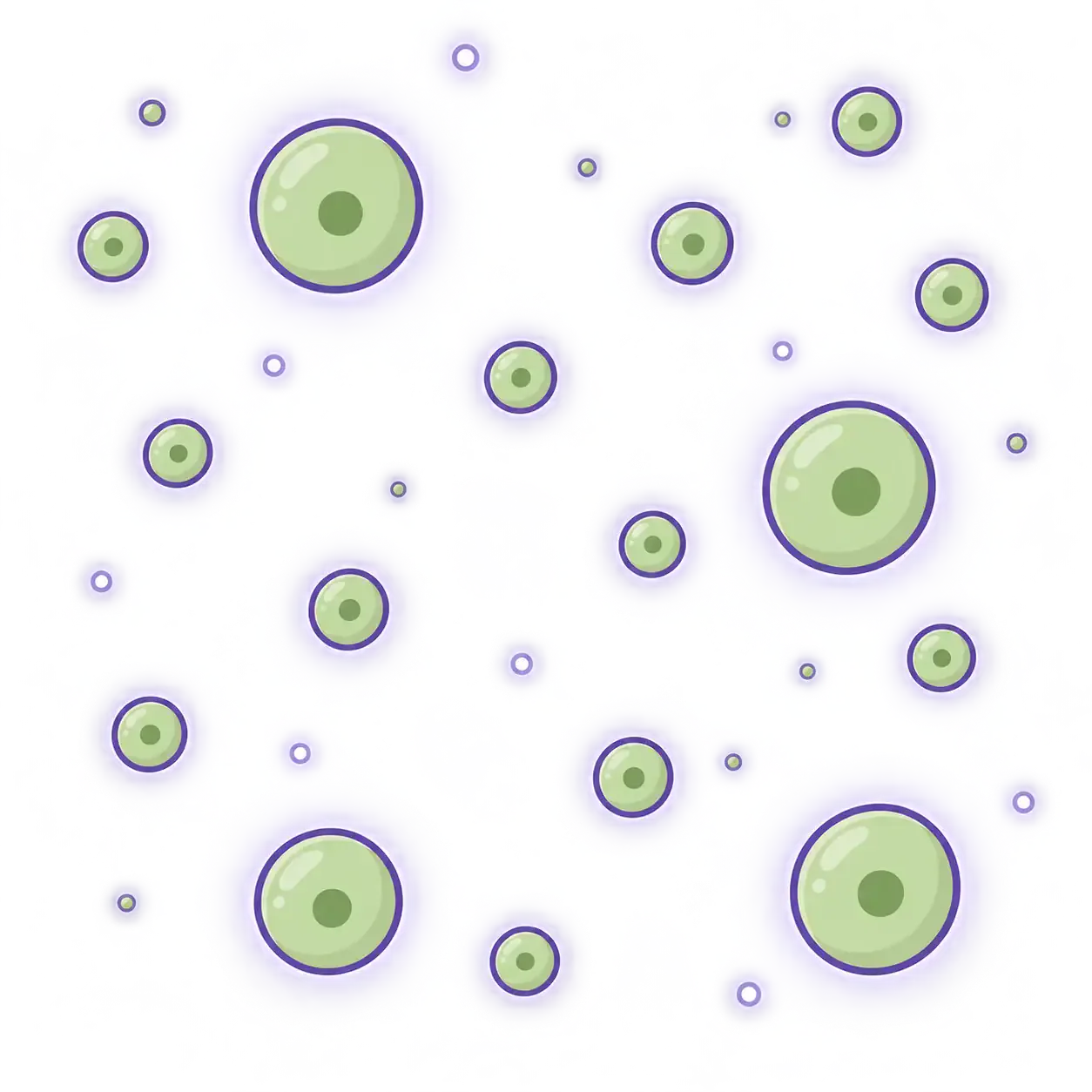
Polyploid plants — 4x, 6x, 8x and beyond — often produce mixed pollen populations: regular (reduced) grains side by side with unreduced grains that carry the full chromosome set of the plant. Tissue-based flow cytometry tells you the ploidy of the plant — not what it transmits. Routine breeding workflows skip this layer entirely, because pollen-level ploidy checks have been slow and hard to scale.
Our Solution: Volume-Based Pollen Ploidy Analysis
Pollen as Cargo — Ploidy as Load Size
Imagine pollen as a truck carrying genetic information to the next generation. As a seed breeder, you are the logistics company: your mission is to make sure every truck is in perfect condition and delivers the right load — one, two, three or more complete chromosome sets. Viability tells you whether the truck arrives. Ploidy tells you what is on it.

How Impedance Flow Cytometry Resolves Ploidy
Amphasys uses impedance flow cytometry — an electrical measurement that reads each pollen grain individually as it flows through a microfluidic chip, characterising it by volume, membrane integrity, and cytoplasmic conductivity. Pollen volume — driven by DNA content and cell size — separates the ploidy classes: within a species, grains of a higher ploidy level are normally larger, so where ploidy levels are mixed in a sample, they resolve into distinct scatterplot populations. It is a volumetric read-out, inferred empirically from the pollen — not a direct count of chromosomes.
No staining. No nuclear isolation. No destructive tissue preparation. Mature pollen, on the bench, in minutes.
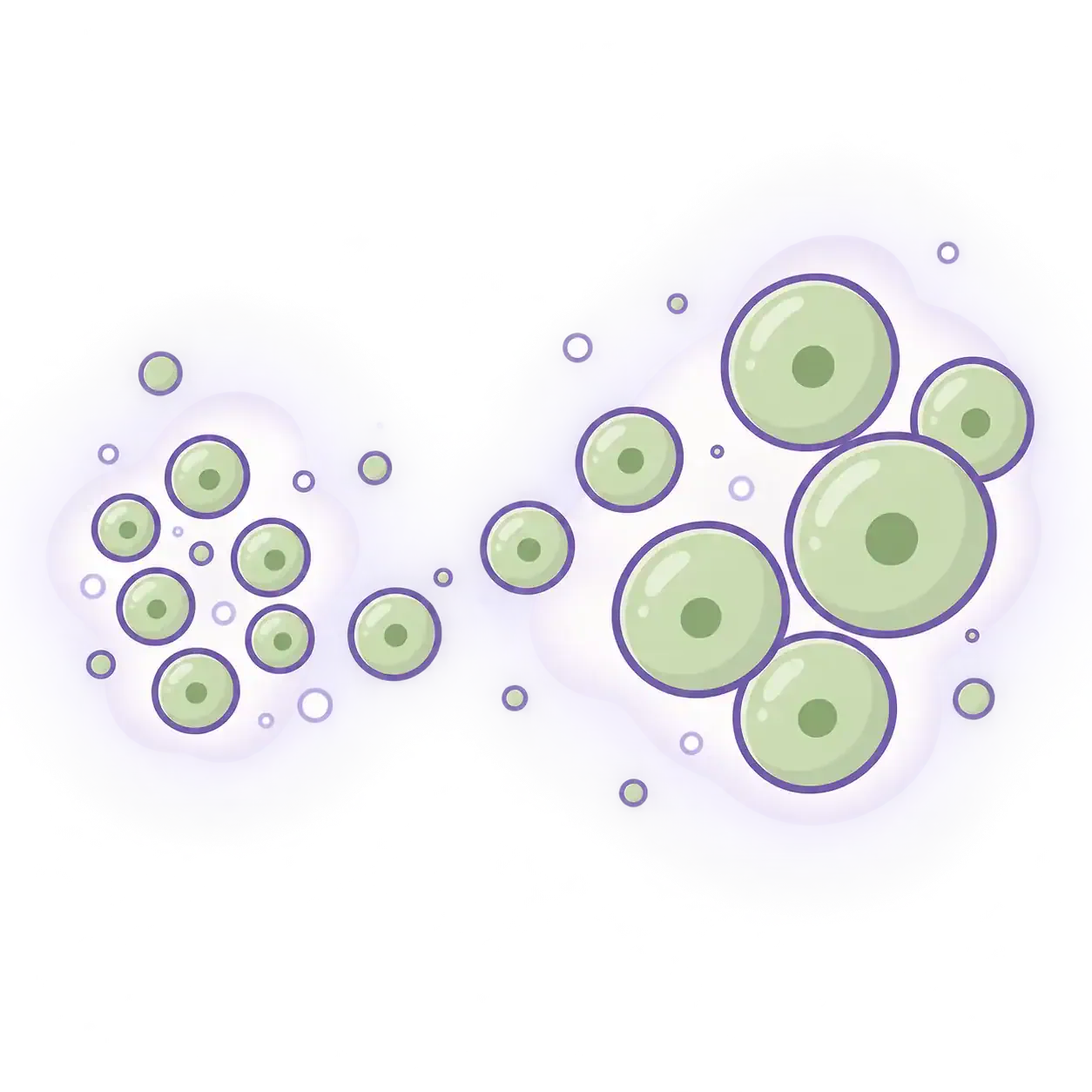
Why Measure Ploidy in the Pollen, Not Only in the Leaf
Ploidy is classically determined by DNA flow cytometry on cell nuclei isolated from leaf tissue — which tells you the ploidy of the plant, not what its pollen actually transmits. Impedance flow cytometry works directly on the mature pollen grain — what the plant actually passes on — and reports the result as the plant’s ploidy level (for watermelon: 2n or 4n). And because the measurement is electrical rather than optical, it needs no dyes and runs on robust instruments — in the lab on the Ampha Z40, and for watermelon in the field on the portable Ampha P20.
From Empirical to Predictive Crossing
Pollen ploidy data shifts breeding decisions earlier — from after the seed set to before the cross.
| Traditional view | Pollen-ploidy-driven view |
|---|---|
| Ploidy checked in leaf tissue | Ploidy checked in the pollen the plant sheds |
| Fertility judged from the seed set | Pollen quality measured before the cross |
| Crossing is empirical | Crossing is predictive |
In short: Amphasys’ technology determines pollen ploidy through volumetric analysis of each pollen grain — and delivers the viability information in the same measurement.
The Right Tools for Pollen Ploidy Analysis
Ampha Z40
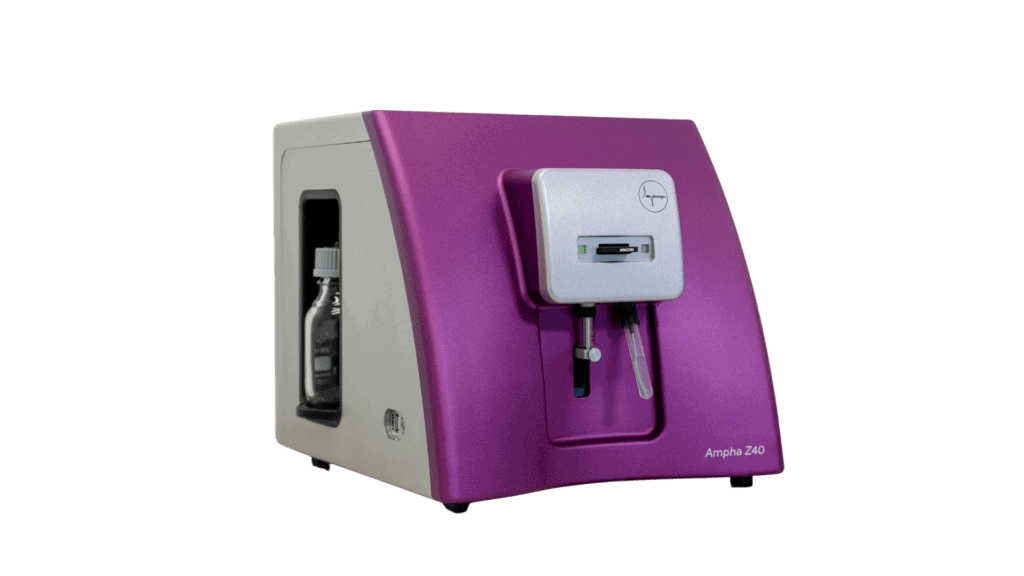
“Designed for high-throughput and detailed research, the Ampha Z40 is ideal for all tasks from R&D to seed production.”
The Ampha Z40 is the lead instrument for ploidy work — from documented crops to new ones we develop with you. It offers complete protocol flexibility and advanced analytics, is compatible with all Amphasys measurement chips, and determines pollen ploidy in combination with viability and quantity — in a single measurement. Supports pollen analysis across 250+ species.
Ampha P20

“The portable, robust, and battery-powered Ampha P20 is ideal for remote measurements in greenhouse and field environments.”
With the new AmphaChip Watermelon Ploidy, the Ampha P20 brings ploidy determination to where the plants are — viability and 2n / 4n discrimination directly in the greenhouse or in the field, with automated on-screen analysis and without laboratory infrastructure.
AmphaChip
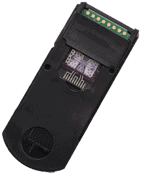
“Universal and crop-specific microfluidic chips — each chip carries the settings for its measurement; for watermelon ploidy there is a dedicated crop-specific chip.”
Robust frame, optimized geometry for pollen, automated on-screen analysis. New: the Watermelon Ploidy Chip for the Ampha P20 — determination of viability and 2n / 4n ploidy.
How Pollen Ploidy Analysis Works in Practice
Watermelon ploidy at a glance
In watermelon breeding, ploidy is a selection criterion — triploid (3n) watermelons are the seedless varieties consumers prefer. Triploid plants are produced by crossing tetraploid (4n) females with diploid (2n) males. The cross only works if the tetraploid parent really is tetraploid — and if the tetraploid line has not silently produced diploid branches.
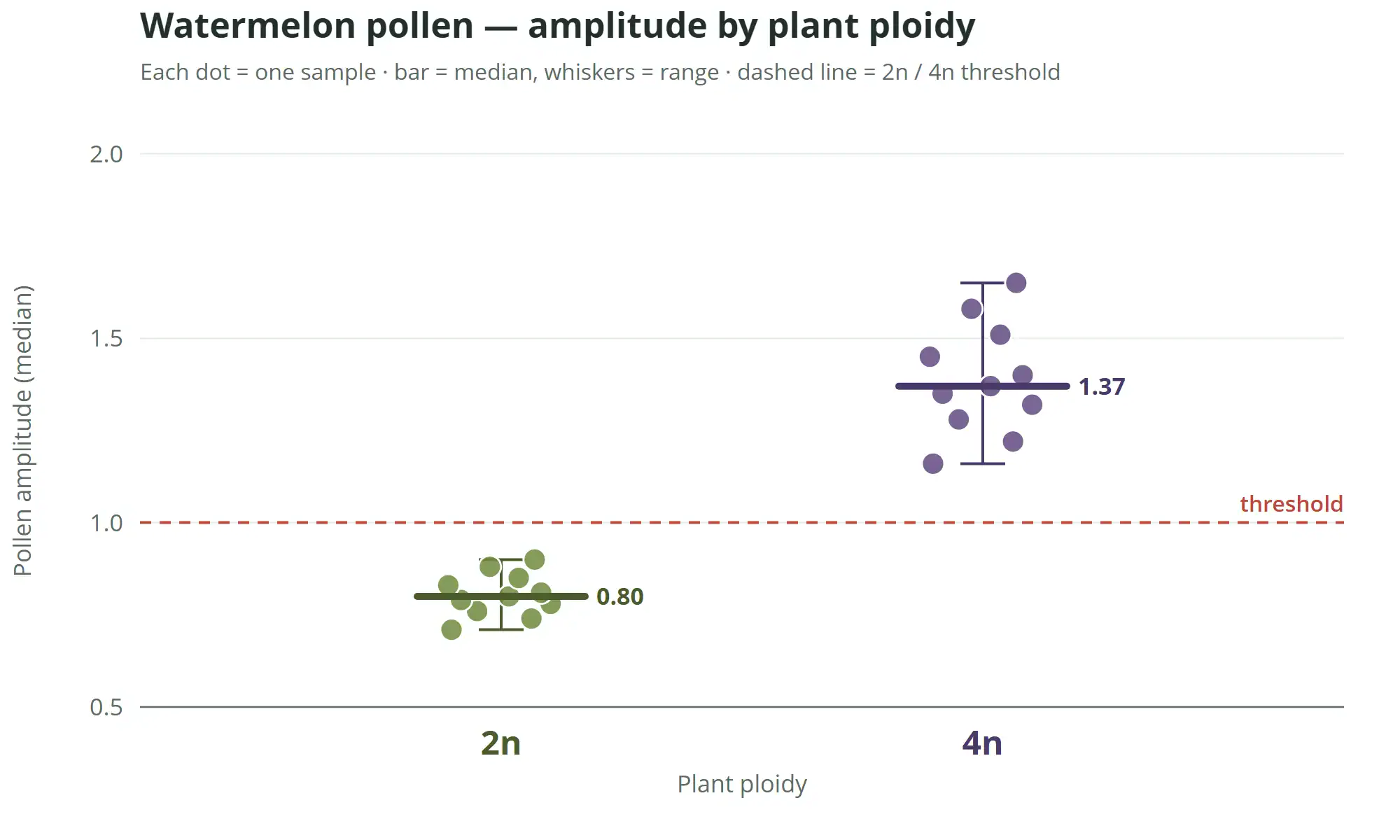
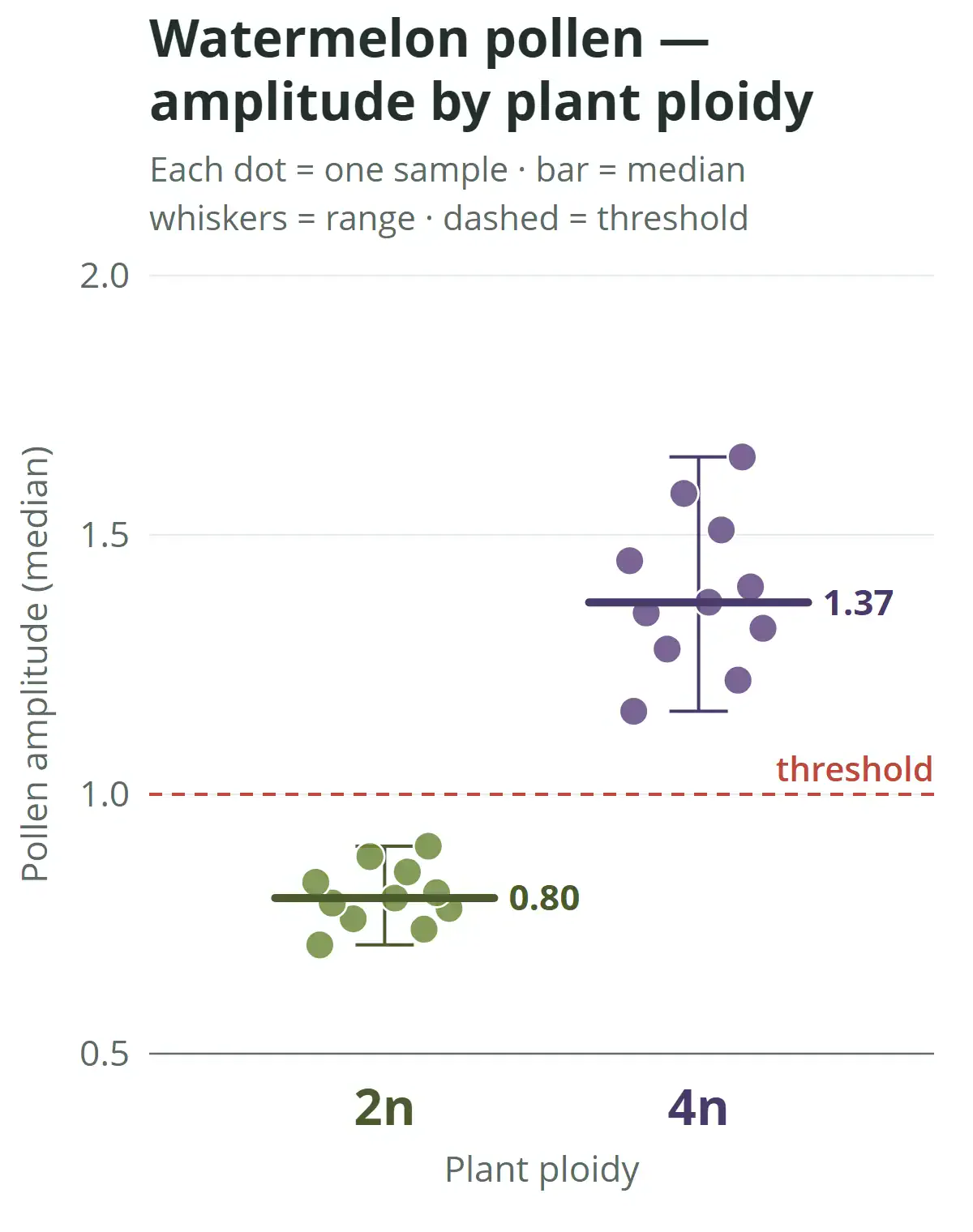
The read-out is the plant’s ploidy — 2n versus 4n — determined from what its pollen carries. Because pollen from a diploid and a tetraploid parent differs measurably in volume, a reverted diploid branch stands out against the tetraploid line, and the parent line can be verified before the cross instead of after the seed set.
Application: Tetraploid Parent Line Verification
Where it fits in your workflow
Triploid watermelon programs stand or fall with the tetraploid parent line. Tetraploid lines take years to establish — and they can spontaneously produce diploid branches that no one sees from the outside. Pollen ploidy analysis lets you check the parent line before you cross it, rather than finding out from the seed set a season later.
Used routinely, ploidy data lets you:
- Verify that a tetraploid parent line is still tetraploid — by analyzing what it actually transmits, on the plant you are about to cross.
- Detect diploid branches on tetraploid plants before they end up in a cross and produce the wrong offspring.

Application: Polyploid Variety Stabilization
Where it fits in your workflow
Many polyploid crops — wheat (hexaploid), oilseed rape (allotetraploid), strawberry (octoploid) — combine complex genome compositions with variable fertility. The volumetric principle behind pollen ploidy applies to these crops too. Each crop needs its own reference data and assay set-up on the Ampha Z40 — which we develop together with you in a joint project.
Developed for your crop, pollen ploidy data lets you:
- Monitor pollen ploidy distributions over seasons to detect early variety degeneration or instability.
- Verify chromosome-doubling success by analyzing what the doubled line transmits — not just what its tissue measures.
- Detect ploidy instability in interspecific hybrid programs.
Polyploidy is common in many crops — including potato, wheat, oilseed rape and strawberry — and central to seedless watermelon breeding.

Built Into the Amphasys Platform
One instrument, four capabilities
Pollen ploidy is determined from the same measurement as pollen viability and quantity. On the same instrument, the Ampha Z40 also determines microspore developmental stages for doubled-haploid programs:
- Pollen viability — viable vs. dead vs. aberrant grains, the foundation of every Ampha Z40 measurement.
- Pollen quantity — pollen concentration in the sample, based on counting every single grain.
- Pollen ploidy — ploidy populations by volume, as described above.
- Microspore developmental stage — for doubled-haploid programs and reproductive-biology research. See Microspore Analysis.
For watermelon ploidy, the same determination is also available on the portable Ampha P20 with the dedicated Watermelon Ploidy Chip. The Ampha Z40 stays the lead instrument for ploidy work — and for the more demanding cases.










Frequently Asked Questions
Does pollen ploidy analysis replace tissue-based flow cytometry?
No — it complements it. Tissue-based flow cytometry tells you the ploidy of a plant. Pollen ploidy analysis tells you what that plant actually transmits. Without it, you assume that a tetraploid plant produces the gametes you expect. With it, you measure what it really transmits — and you see ploidy deviations in the pollen instead of inferring them from a failed seed set.
What populations are actually distinguished in pollen?
The populations are separated by volume in the impedance scatterplot: within a species, pollen from parents of different ploidy differs in volume, so a diploid and a tetraploid parent produce pollen you can tell apart. That difference is what makes verification of the parent line possible.
Do I need staining or special sample preparation for ploidy work?
No. Pollen samples are prepared the same way as for routine viability measurements. No staining, no fixation, no nuclear isolation, no destructive tissue preparation — just mature pollen in buffer.
Which crops can be analyzed for ploidy?
Watermelon (2n / 4n parent lines) and potato are the cases we have documented most in our own application work. For watermelon ploidy determination there is a dedicated crop-specific chip, the AmphaChip Watermelon Ploidy. The volume-based principle applies to other polyploid crops such as wheat, oilseed rape, and strawberry — for these, we set up the analysis together with you in a joint development project, building the reference data for your lines on the Ampha Z40. Talk to a Ploidy Expert about your crop.
How long does a ploidy measurement take?
On the Ampha P20 with the Watermelon Ploidy Chip, the measurement takes under a minute and analysis is automated — the ploidy levels are pre-set, so no line-specific setup is needed. On the Ampha Z40, ploidy is classified against reference samples of known ploidy; each measurement then takes under two minutes, including viability gating.
Talk to a Ploidy Expert
Explore your ploidy application with Amphasys
Whether your program is in triploid parent line verification, polyploid variety stabilization, or doubled-haploid acceleration — talk to our seed-industry team about your samples.