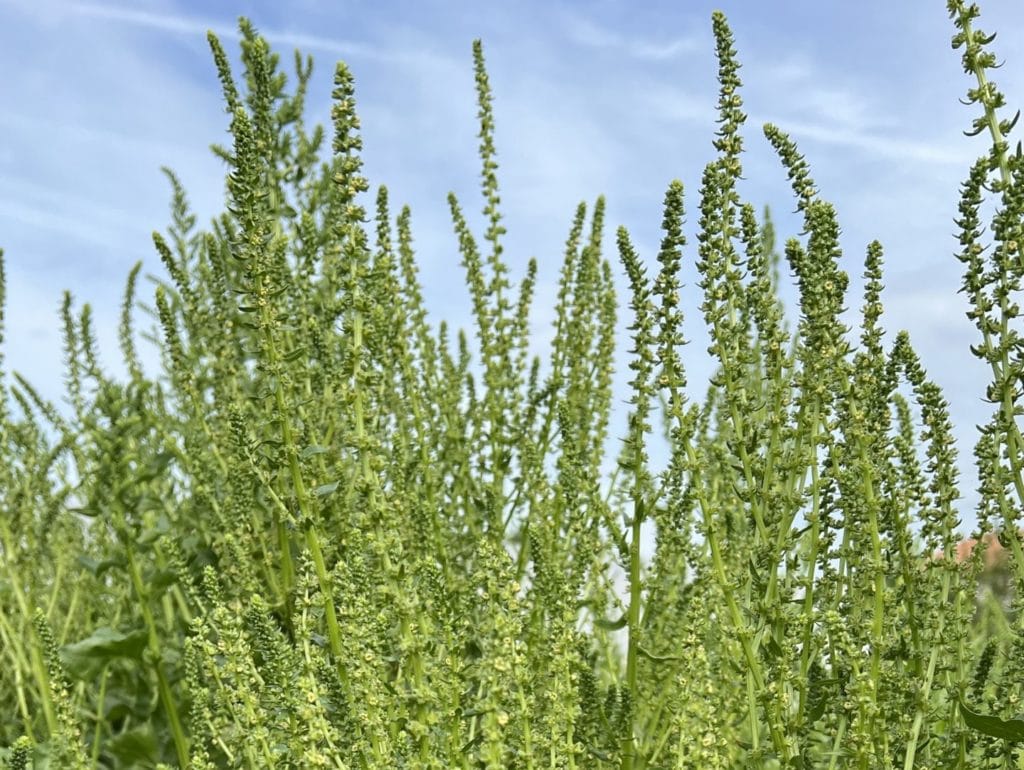
Optimize Beet Breeding and Seed Production with Quantitative Pollen Quality Analysis
Beet Pollen Quality Analysis
Identify best pollinator lines and improve seed yield for Beta vulgaris (sugar beet, red beet, fodder beet, chard).
Reproductive efficiency is critical in beets. Specifically, beets are biennial crops—every breeding cycle spans two growing seasons. Furthermore, poor reproduction or undetected pollination issues therefore delay progress by up to two years and turn seed production inefficient. Moreover, across the lines, pollen quality parameters can vary strongly.
Without quantitative pollen quality data, breeders and seed producers struggle to select reliable pollinator lines, plan crop placement, and achieve consistent seed set. Therefore, Amphasys helps overcome these challenges by providing tools and knowledge to systematically measure and understand reproductive traits. As a result, breeders and seed producers can make more informed decisions and consequently achieve continuous improvements in both breeding and seed production workflows.
Challenge: Critical Time Loss in Biennial Breeding
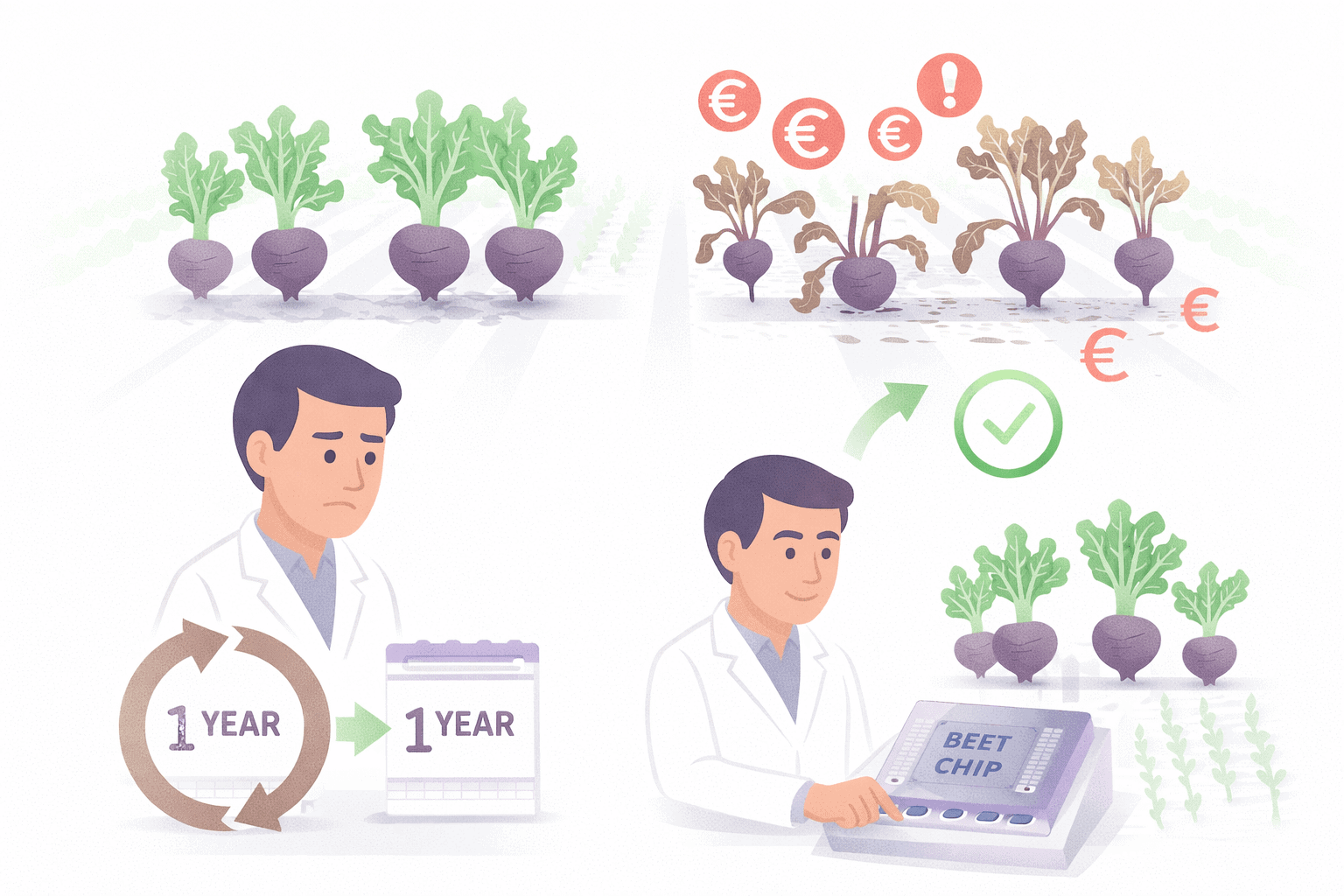
Beets are biennial crops requiring two full growing seasons per breeding cycle.
Why Early Detection Matters
Any reproductive failure or undetected pollination issues wastes time in breeding progress and significantly decreases efficiency and time-to-market.
Therefore, the early detection of poor pollinator lines or susceptibility to abiotic stress becomes crucial for an efficient breeding process.
Comprehensive Breeding Line Analysis
Amphasys enables rapid and systematic pollen screening of all lines in breeding within a single season using quantitative pollen analysis. This allows breeders to get a better knowledge of the reproductive properties of all lines and to immediately identify and eliminate poor performing lines by measuring pollen viability, proportion of aberrant cells, and pollen quantity.
Challenge: Extreme Variation in Pollen Quality Parameters

Beet lines can show significant differences in pollen quality: pollen viability, proportion of aberrant cells, and pollen quantity may vary among lines. While traditional methods cannot quantify these variations accurately, reproductive properties of lines were not studied systematically. As a result, many decisions in breeding and seed production remained guesswork.
Amphasys Pollen Analyzers enable breeders and seed producers to take decisions based on measurement data. Specifically, by precisely quantifying the relevant parameters for successful reproduction, hidden quality differences between lines can be revealed. Consequently, this enables breeders to confidently select best-performing lines and seed producers to optimize production patterns and achieve higher seed yield. Ultimately, this data-driven approach replaces guesswork with certainty.
Challenge: Heat Stress Impact on Pollen Development
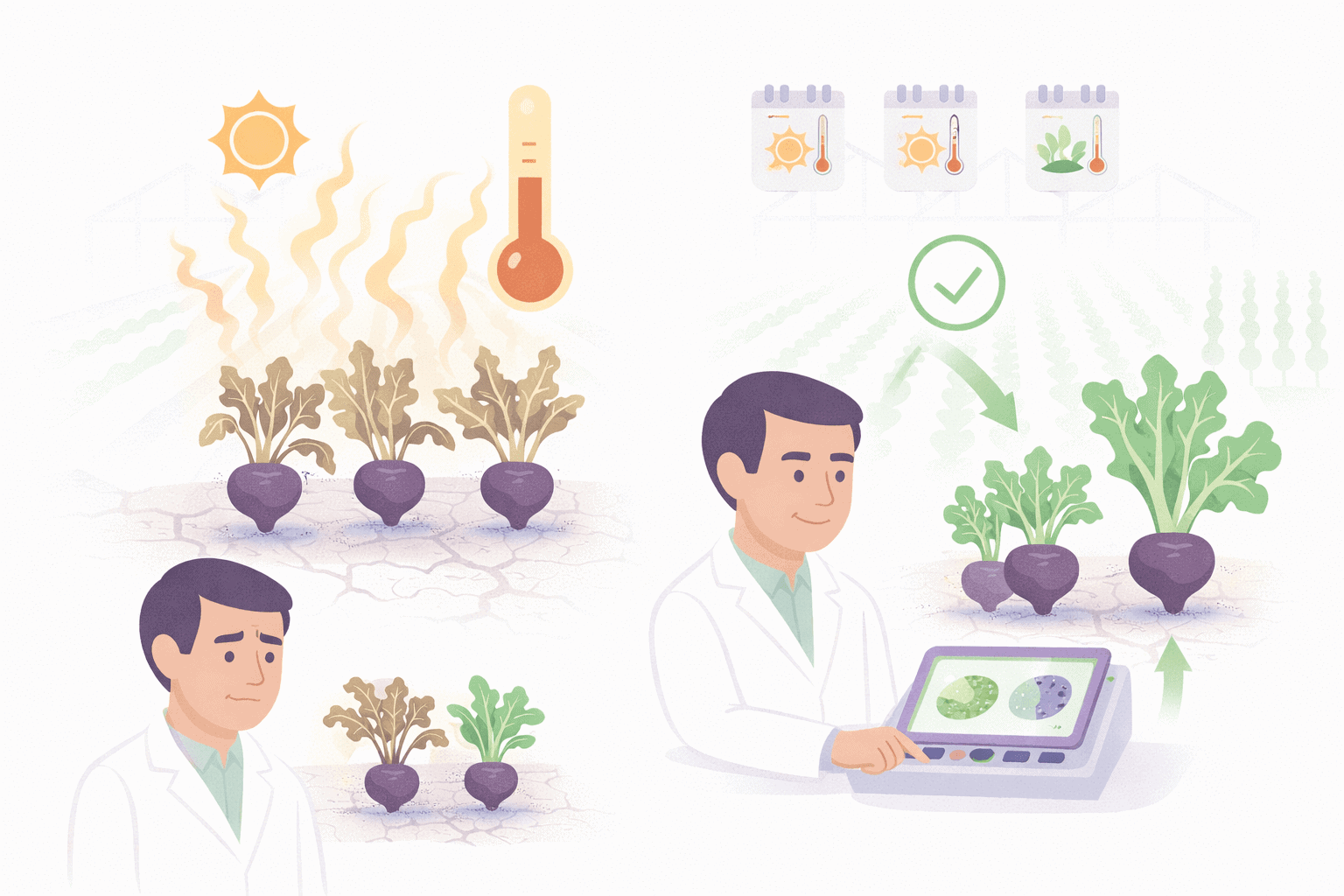
Beet pollen development is highly sensitive to abiotic stress, particularly heat. Elevated temperatures during the flowering period can drastically reduce the quantity of viable pollen and increase the share of aberrant pollen cells. While conventional methods fail to identify these stress-indicating cells, effects of stress remain undetected – with negative impact on breeding and seed production.
Through systematic monitoring of pollen response under stress conditions, Amphasys Pollen Analyzers distinguish heat-tolerant from stress-prone lines. Consequently, seed producers can strategically place sensitive varieties in favorable locations. Furthermore, they can select robust lines for challenging regions, and additionally proactively adjust production schedules based on stress tolerance data. Ultimately, this ensures stable seed yields despite increasing climate variability.
The Right Tools for Beet Pollen Analysis
To support beets breeders and seed production teams in making fast, data-driven decisions, Amphasys offers a powerful combination of pollen analyzers and crop-specific microfluidic chips. Whether you work in the lab, greenhouse, or field, our tools are designed to deliver accurate, real-time insights into pollen quality—when and where you need them.
Ampha Z40
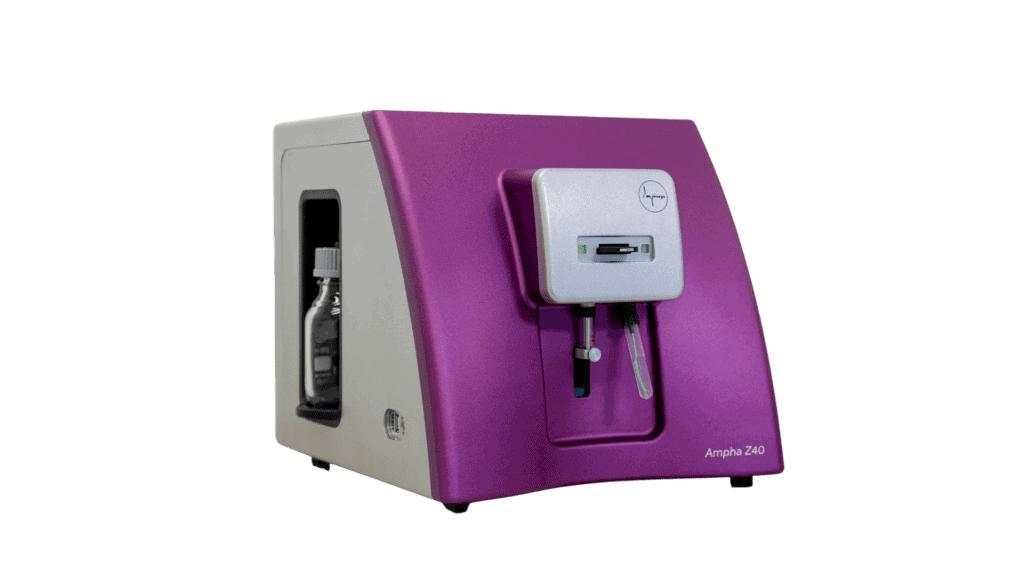
Designed for high-throughput and detailed research, the Ampha Z40 is ideal for all tasks from R&D to seed production. With full protocol flexibility, advanced analytics, and compatibility with all Amphasys measurement chips, it provides deep insights into pollen performance whether it be in beets breeding programs or seed production research.
Ampha P20

The portable, robust, and battery-powered Ampha P20 is ideal for remote measurements in greenhouse and field environments. It delivers real-time viability and concentration data, supported by automated data-analysis with the crop-specific AmphaChip Beet. Perfect for plant breeders and seed production teams who need fast and straightforward results without lab infrastructure
AmphaChip Beet
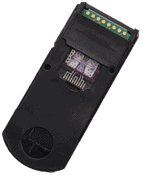
This chip is specifically designed for all Beta vulgaris subsp. vulgaris crops, including sugar beet, red beet, fodder beet, and chard. It is calibrated to the size and properties of pollen cells of these crops. The chip delivers precise and reproducible results on viability and quantity within one minute—whether you are screening lines in breeding or seed production. With its high sensitivity and plug-and-play handling, it is ideal for systematic screening in the lab, greenhouse, or field.
How Beet Pollen Analysis Works in Practice
For plant breeders and seed producers pollen quality control is crucial for achieving efficient breeding processes and high seed set in production. Amphasys Pollen Analyzers allow you to integrate pollen quality monitoring directly into your workflows—before issues arise.
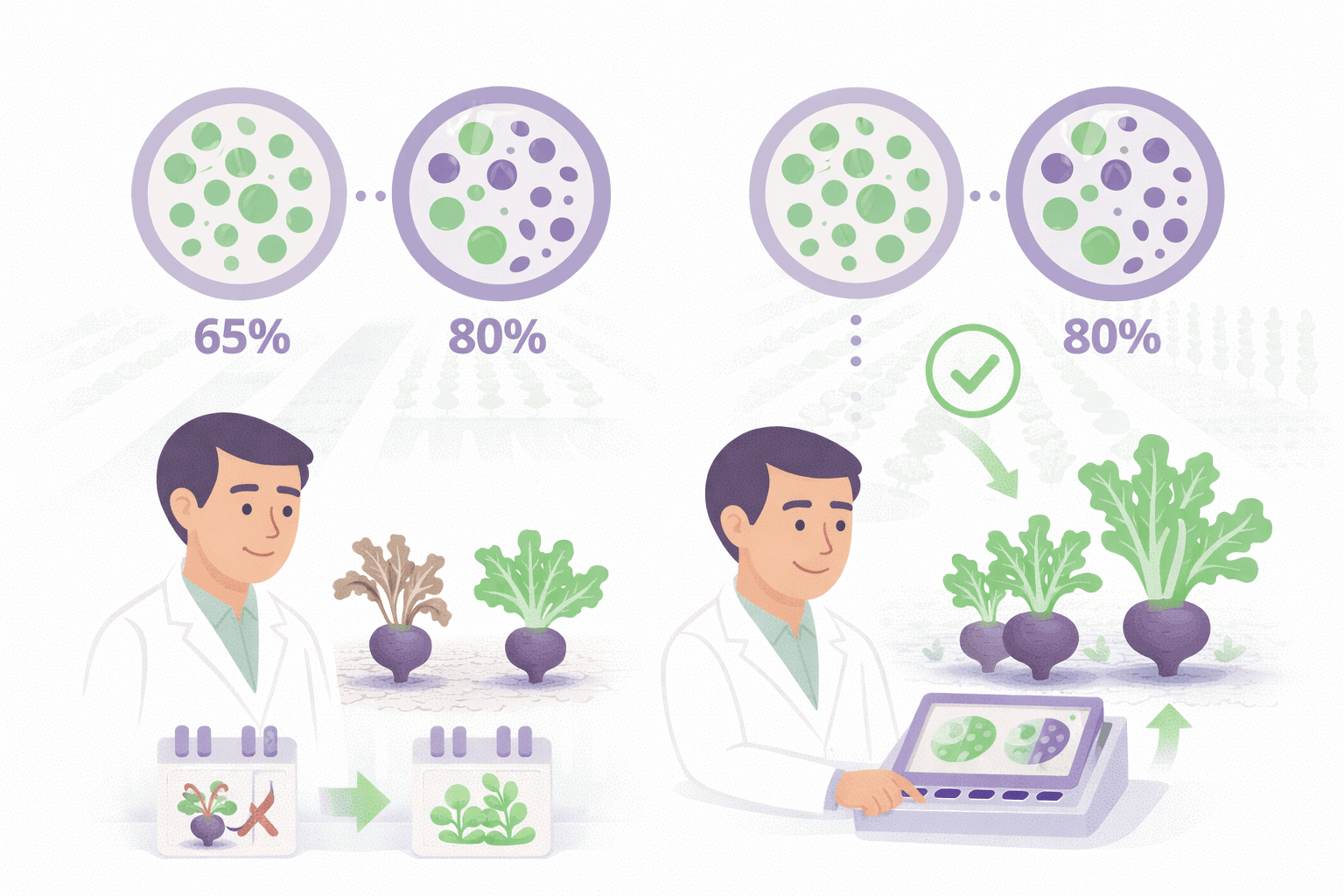
Breeding: Systematic Pollen Quality Screening
For the breeding of beet hybrids it is essential to know the reproductive traits of each parent line and of the offspring. Pollen phenotyping provides relevant information of reproductive characteristics with a high impact on line selection, understanding of susceptibility to abiotic stress and shorter time-to-market.
Systematic screening of pollen quality allows breeders to:
- Characterize each line for pollen viability, quantity, and proportion of aberrant pollen cells
- Detect and identify lines which are heat-sensitive or prone to abiotic stress
- Select high-performing pollinator lines early in the breeding program
- Screen a large number of lines systematically and build up knowledge of reproductive properties
Seed Production: From Pollen Quality to High Seed Set
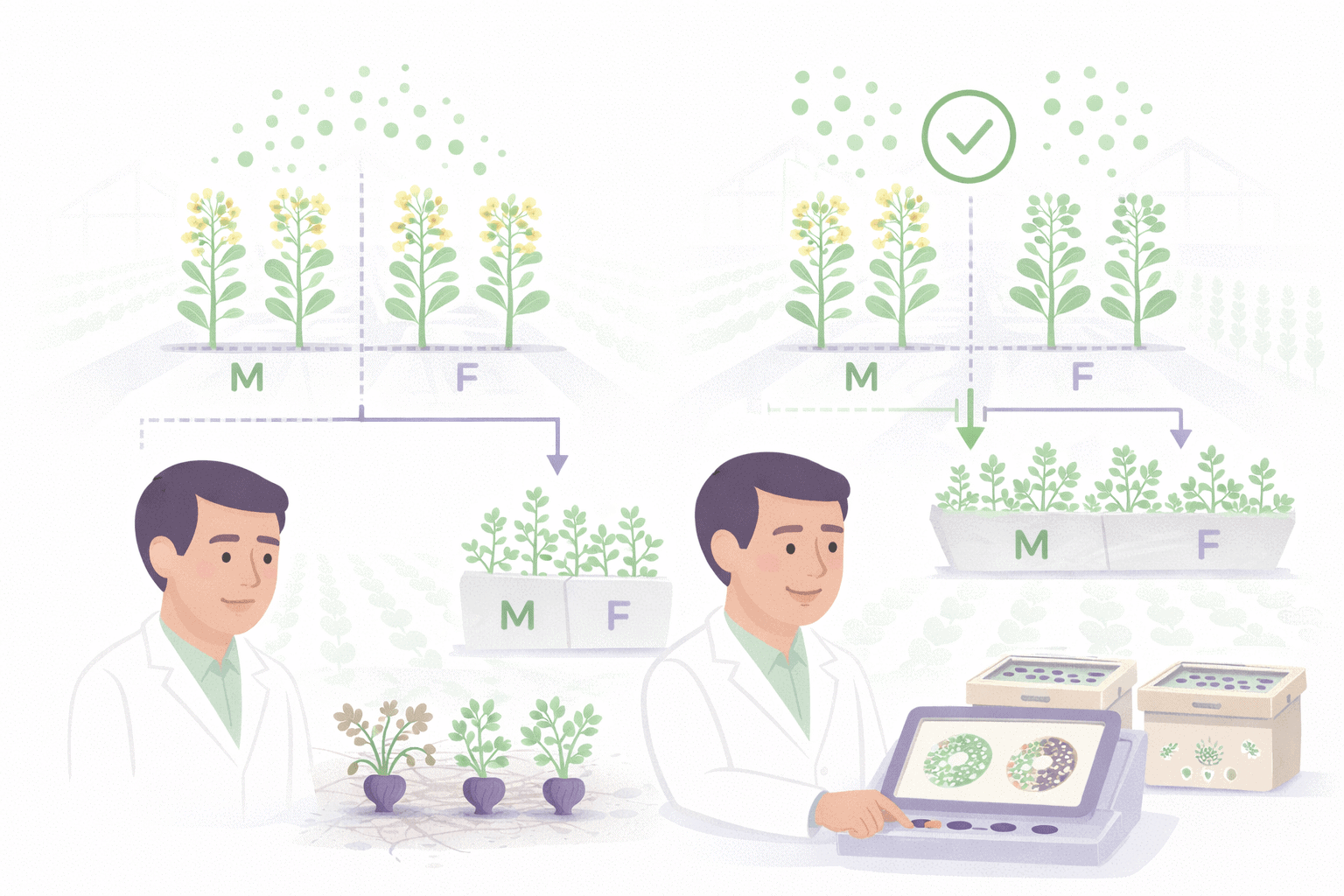
For an efficient seed production the right production parameters, the right crop placement, and a reliable planning are indispensable. The knowledge of reproductive properties, which can be retrieved from systematic pollen quality screening, enables seed producers to take the right decisions.
Quantitative pollen quality data help seed producers to:
- Optimize female-to-male ratios
- Adjust crop placement according to line-specific stress tolerance
- Develop pollen storage protocols for extended pollination
- Adjust flowering synchronization of male and female lines
Bottom Line: Amphasys offers a technology for real-time pollen quality measurements. Expand the knowledge of your lines’ reproductive traits for better, data-driven results in plant breeding and seed production.
Accelerate breeding of biennial crops

Select best-performing pollinator lines
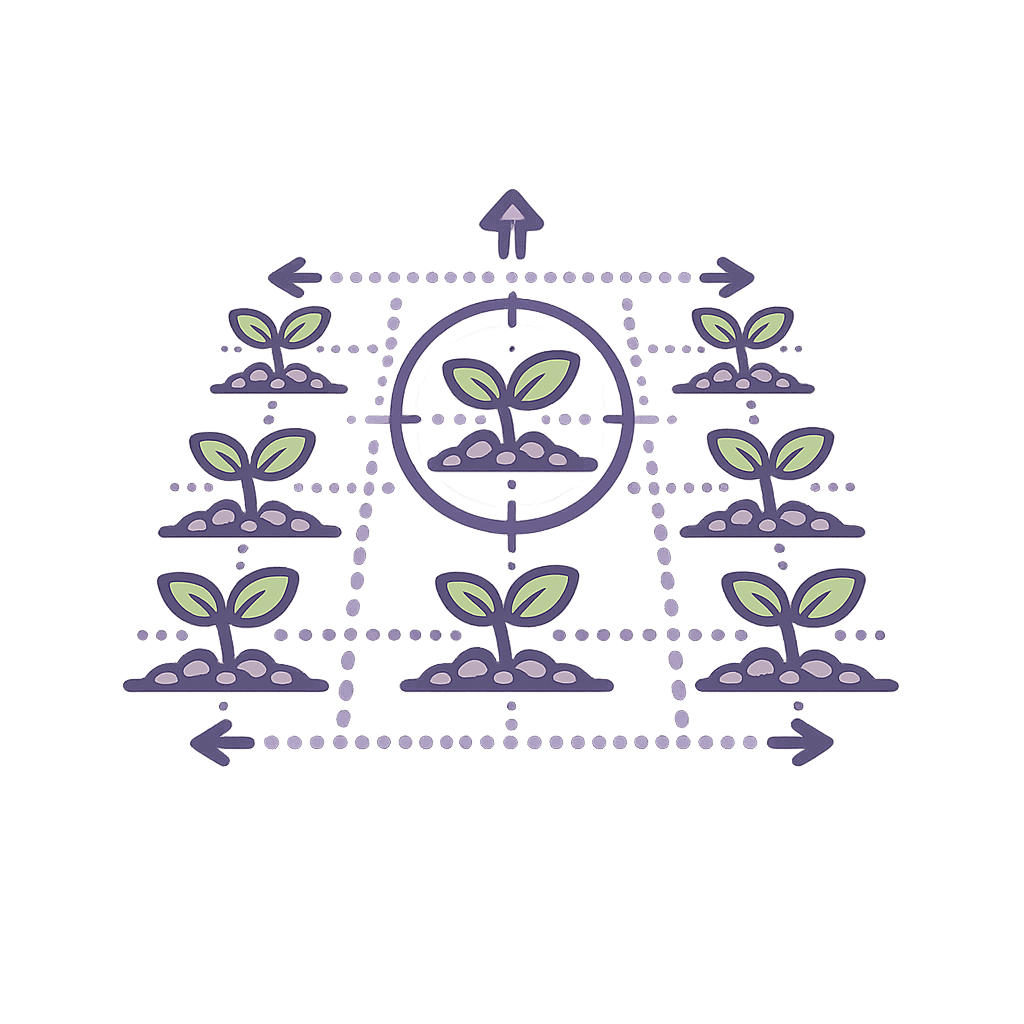
Optimize crop placement

Ensure consistent seed production
Learn More
Deepen Your Knowledge & Drive Better Results
Learn how quantitative pollen analysis supports data-driven beet breeding and seed production.
Video
The Mutual Project for the Development of Onion, Carrot and Beet Crop-Specific Chips
Laura Rojas (Bejo) and Grit Schade (Amphasys) present their collaborative project on developing crop-specific analysis chips for onion, carrot, and beet.














Frequently Asked Questions
Why is pollen analysis critical in beet breeding?
Beets are biennial crops, meaning that each breeding and seed production cycle spans two full seasons. Any reproductive failure or undetected pollination issue leads to significant delays and inefficiency. Quantitative pollen analysis allows breeders to identify poor pollinator lines early, accelerate breeding programs and distinguish stress-prone and stress-tolerant lines.
Can beet pollen be analyzed without staining or labeling?
Yes. Amphasys uses label-free impedance flow cytometry to analyze beet pollen at single-cell resolution. This enables direct quantification of viable and aberrant (aborted) pollen cells within a minute - without staining and microscopic counting. Amphasys' technology therefore is ideal for high throughput and systematic screening, providing fast, objective, and reproducible data and building up reproductive knowledge.
Why is pollen quantity per flower important for seed production?
In addition to pollen viability, pollen quantity per flower can vary strongly among lines and influence pollination success. In case of reproduction issues, in addition to pollen viability also pollen quantity should be determined, as the amount of viable pollen decides about reproduction success. With that information, female-to-male ratios can be optimized, flowering of male and female lines synchronized, and best locations for crop placement identified.
How does heat stress affect beet pollen development?
Beet pollen development is highly sensitive to abiotic stress, particularly heat. Elevated temperatures during the early flowering period when pollen develops can lead to the abortion of pollen cells, thus reducing the amount of viable pollen cells. Amphasys' technology can detect and quantify these aberrant cells and help to distinguish stress-prone from stree-tolerant lines. This information helps breeders in line selection and seed producers in crop placement.
Is this pollen analysis workflow transferable across different beet types?
Yes. The same quantitative pollen analysis workflow applies across Beta vulgaris subsp. vulgaris crops, including sugar beet, red beet, fodder beet, and chard. This allows consistent pollinator evaluation and seed production processes across all beet market segments.
Talk to our Experts
Ready to improve your breeding efficiency or seed production yield? Our experts are here to help you find the right solution for your specific needs.