Enhance Onion Breeding and Seed Production with Quantitative Pollen Analysis
Onion Pollen Quality Analysis
Reproductive Success - the Key Step in Successful Onion Breeding and Seed Production
Onion as a biennial crop faces specific challenges for breeding and seed production cycles. Reproductive failures due to poor pollination delay breeding progress and significantly reduces seed production efficiency.
Various methods are used to improve onion propagation. If the essential reproduction characteristics are unknown, breeders and seed producers face unreliable reproduction success, low seed sets, difficulties in identifying the causes, and inefficiencies due to suboptimal line selection or unsuitable growing areas. A systematic investigation of the pollen quality of onion lines provides the relevant information on pollen viability, pollen quantity, and susceptibility to abiotic stress.
Challenge:
Highly Variable Pollen Viability Between Lines
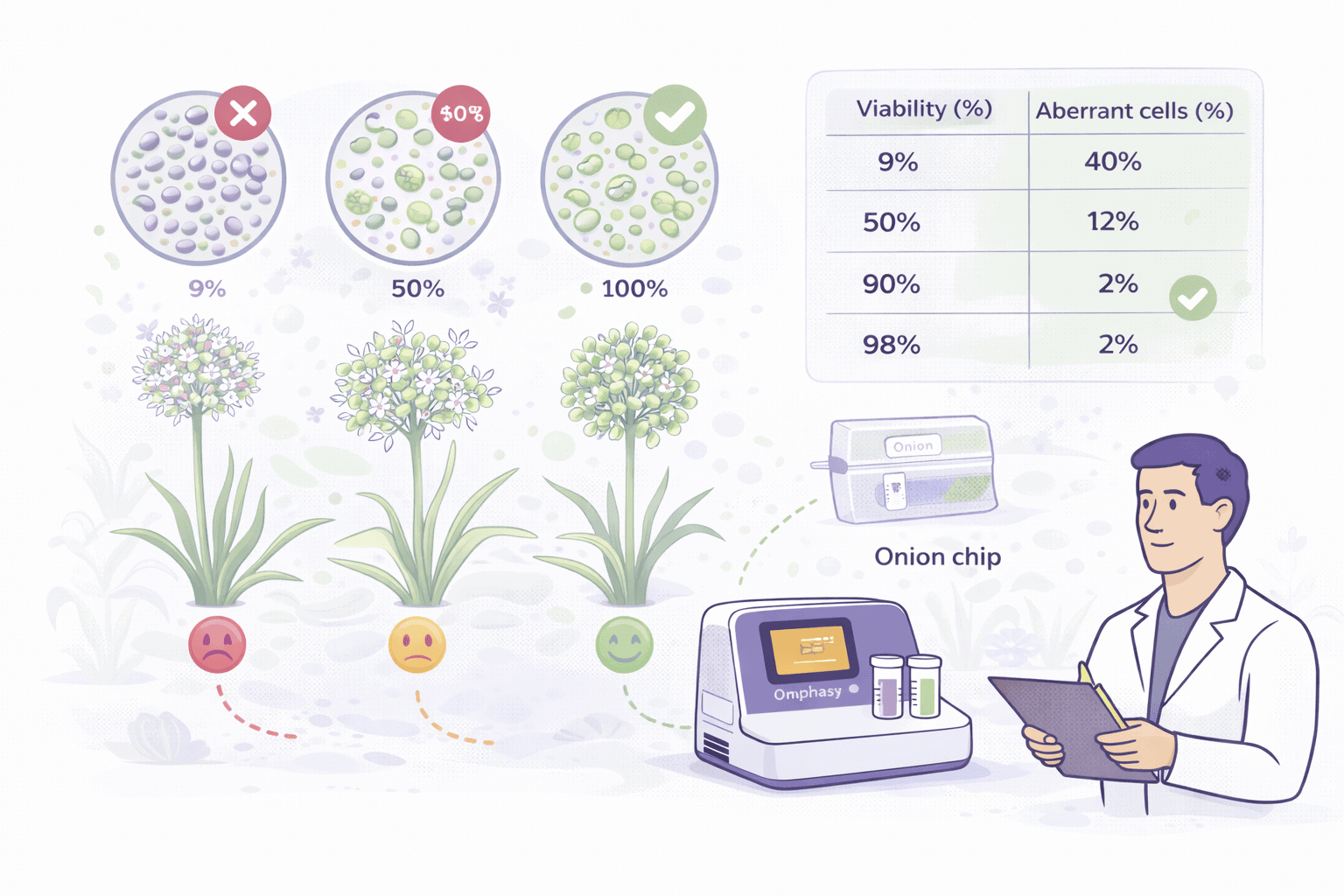
Onions exhibit extremely variable pollen viability rates between different lines. A lack of information about pollen viability of parent lines and offspring can lead to incorrect selection of pollinator lines. Combined with the biennial nature of onions, this can significantly delay breeding progress and time to market.
Amphasys pollen analyzers enable systematic screening for the precise determination of viability and the proportion of aberrant cells in each line. Thanks to the fast, user-friendly, and accurate analysis method, breeders can immediately identify superior pollinator lines, eliminate lines with low viability, and accelerate selection based on solid quantitative data.
Challenge:
Susceptibility to Abiotic Stress
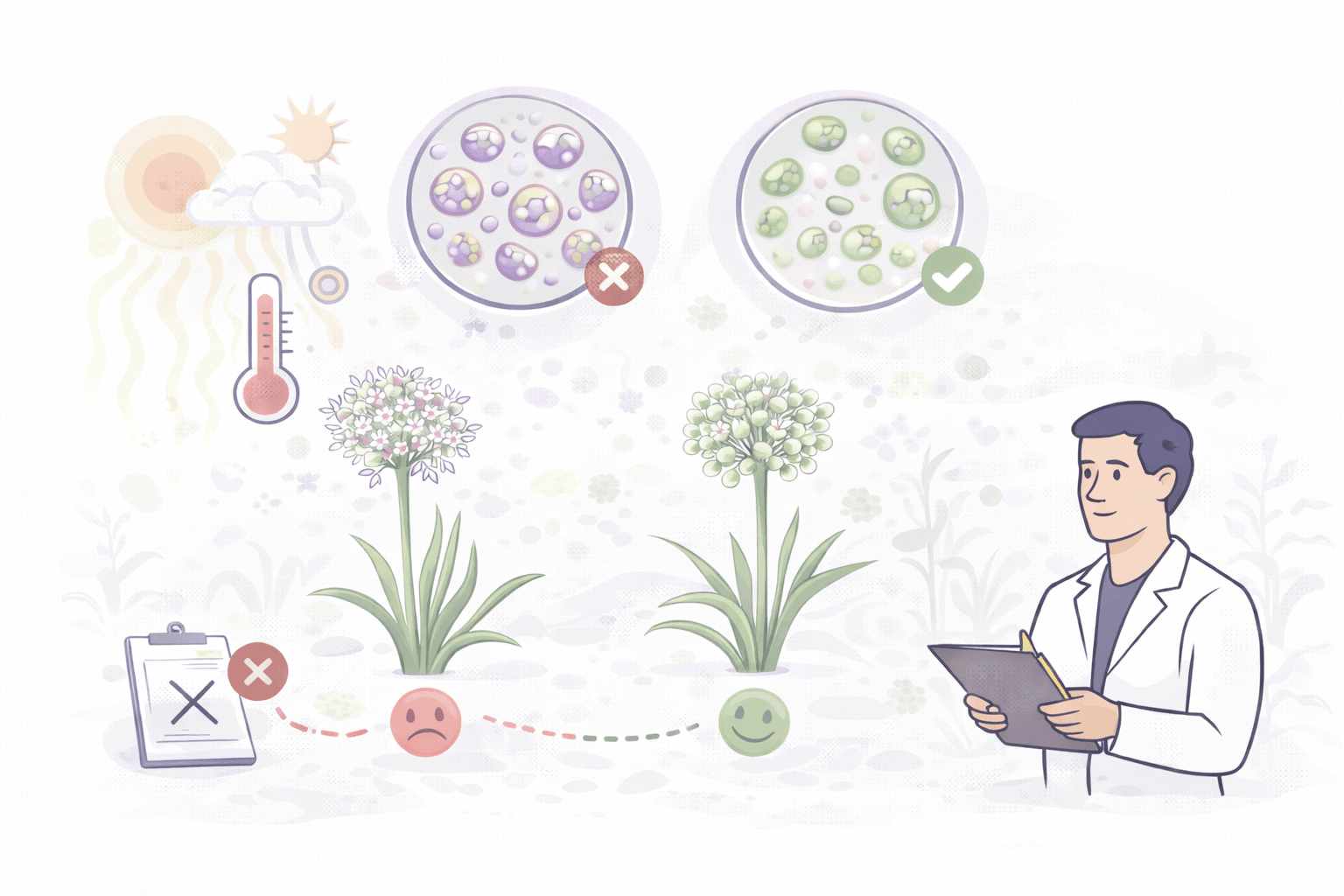
Onion reproduction is severely affected by abiotic stress during the flowering period. Heat or other stressors lead to abortion of pollen cells during maturation, detectable as increased proportion of aberrant cells. Without the early identification of stress-sensitive lines, breeding programs risk unknowingly selecting unsuitable pollinators and thus delaying progress.
Quantitatively determining the proportion of aberrant cells in each onion line allows for the early identification of stress-sensitive lines. With this knowledge, breeders can make data-driven decisions when selecting lines. The best pollinator lines can be chosen for further breeding programs, and stress-tolerant lines ensure consistent reproductive success even under challenging environmental conditions.
Challenge:
Lack of Pollen Data for Seed Production
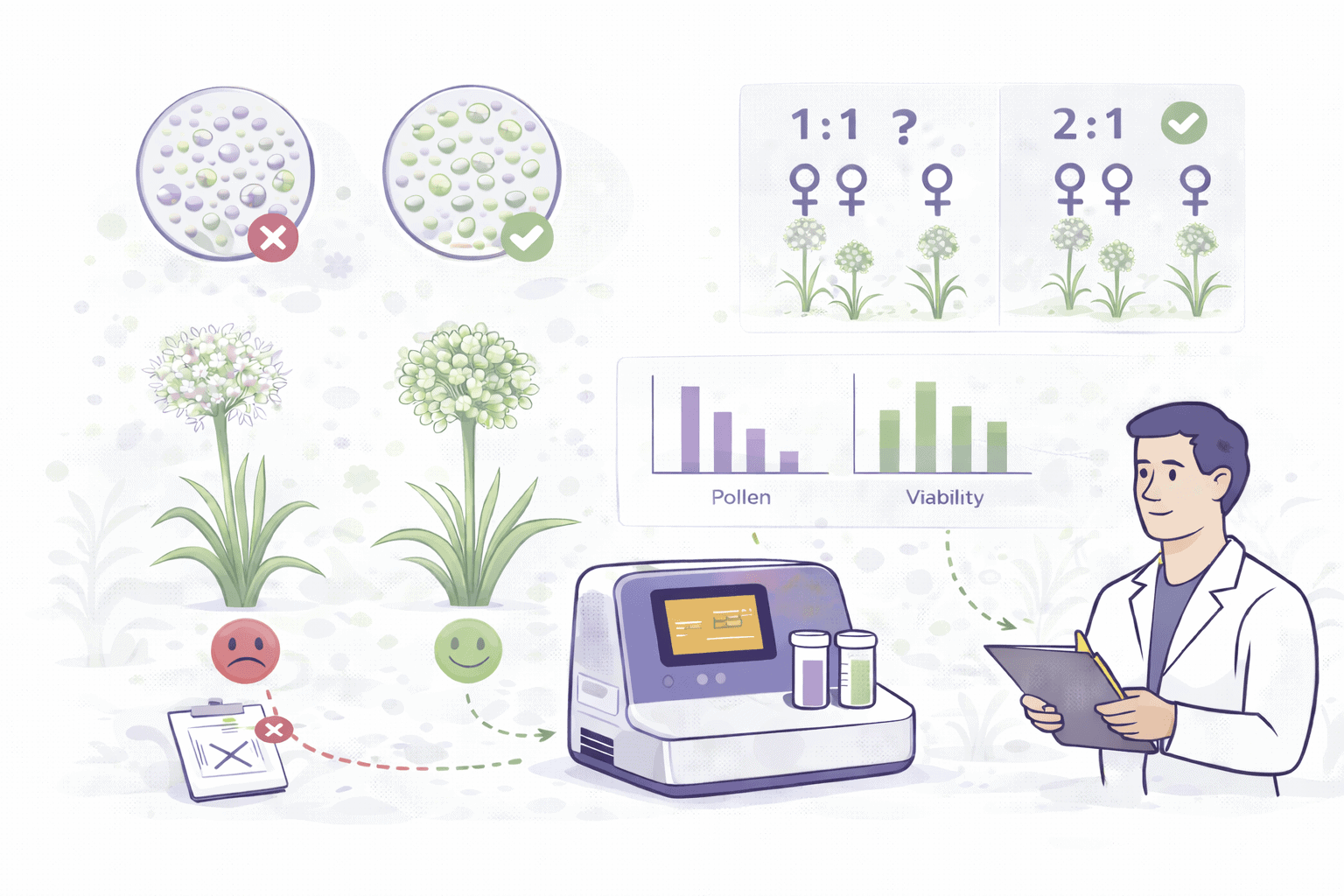
Reproductive success occurs when a sufficient amount of viable pollen fertilizes the stigma. High viability is essential, but if the amount of pollen per flower is very low, fertilization cannot occur. Pollen quantity varies considerably between onion varieties, as does pollen viability. Without knowledge of these line-specific characteristics, neither successful breeding nor successful seed production is possible.
Efficient seed production relies on reproductive success, for which knowledge of the reproductive characteristics of each line is essential. Amphasys Pollen Analyzers precisely determine pollen quantity, viability, and the proportion of aberrant cells per flower, thus providing the necessary data for successful seed production. This enables seed producers to make informed, data-driven decisions regarding the optimal female-to-male ratio and crop placement.
The Right Tools for Onion Pollen Analysis
To support onion breeders and seed production teams in making fast, data-driven decisions, Amphasys offers a powerful combination of pollen analyzers and corresponding crop-specific chips. Whether you work in the lab, greenhouse, or field, our tools are designed to deliver accurate, real-time insights into pollen quality—when and where you need them.
Ampha Z40
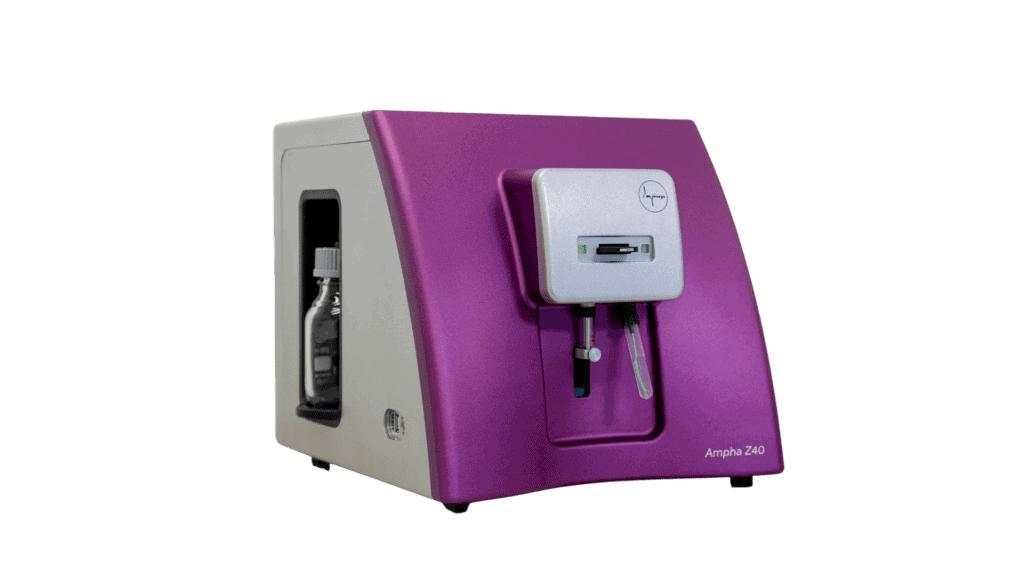
Designed for high-throughput and detailed research, the Ampha Z40 is ideal for all tasks from R&D to seed production. With full protocol flexibility, advanced analytics, and compatibility with all Amphasys measurement chips, it provides deep insights into pollen performance whether it be in breeding programs or seed production research
Ampha P20

The portable, robust, and battery-powered Ampha P20 is ideal for remote measurements in greenhouse and field environments. It delivers real-time viability and concentration data, supported by automated data-analysis with the crop-specific AmphaChip Onion. Perfect for plant breeders and seed production teams who need fast and straightforward results without lab infrastructure
AmphaChip Onion
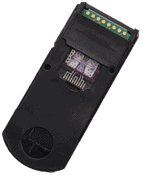
This chip, specifically designed for onions is calibrated to the size and properties of onion pollen cells. It delivers precise and reproducible results on viability and concentration within one minute—whether you are screening lines in breeding or seed production. With its high sensitivity and plug-and-play handling, it is ideal for systematic screening in the lab, greenhouse, or field.
How Onion Pollen Analysis Works in Practice
For plant breeders and seed producers pollen quality control is crucial for achieving efficient breeding processes and high seed set. Amphasys Pollen Analyzers allow you to integrate pollen quality monitoring directly into your workflows—before issues arise
Breeding: Streamlined and Data-Driven Line Selection
Characterizing Pollen Viability and Quantity
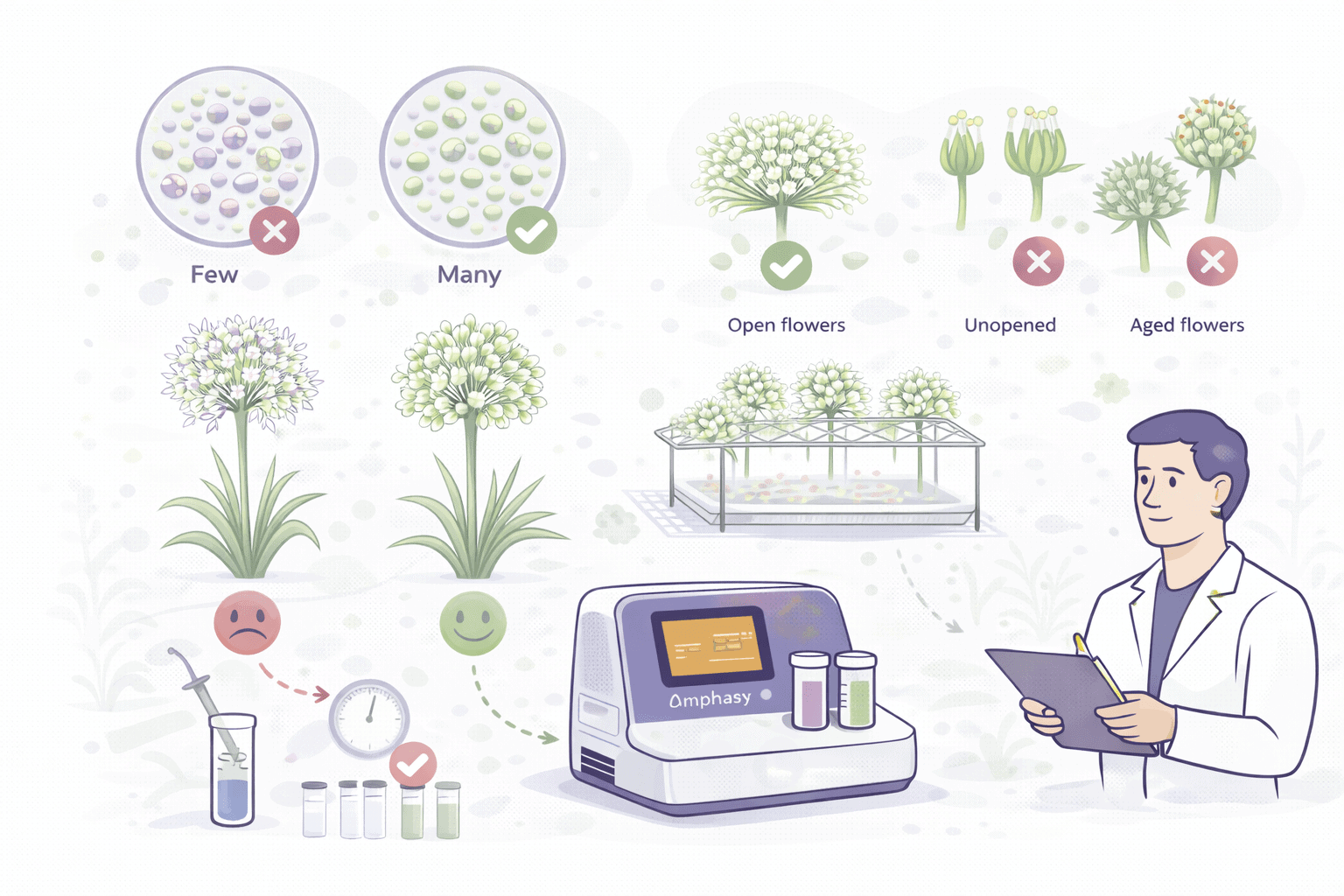
Reproductive success depends on the availability of sufficient quantities of viable pollen. Particularly in onions, high variability is observed between lines, with significant differences in pollen viability, pollen quantity, and the proportion of aberrant cells. Without measurement data, informed decisions regarding line selection are impossible.
Systematic screening of pollen quality allows breeders to:
- Characterize each line for pollen viability, quantity, and aberrant cell content
- Detect and identify lines which are heat-sensitive or prone to abiotic stress
- Select high-performing pollinator lines early in the breeding program
Seed Production: Reliable and Efficient Seed Production
Improving Reproductive Efficiency and Seed Yield
Efficient seed production relies on the right production parameters, the right crop placement, and a reliable planning. This is based on knowledge of the reproductive properties, which can be retrieved from systematic pollen quality screening. For onions, this is particularly important, as the variations in viability, pollen quantity, and aberrant cell fraction are enormous.
Systematic pollen analysis helps seed producers to:
- Determine optimal female-to-male ratios
- Detect stress effects and relocate seed production to favorable regions
- Synchronize flowering between male and female lines
- Develop alternative pollen storage and pollination methods

Bottom Line: Amphasys offers a technology for real-time pollen quality measurements. Expand your knowledge of your lines’ reproductive traits for better, data-driven results in plant breeding and seed production.

Quantify pollen viability and aberrant cell fractions per line

Identify high-performing pollinator lines early in breeding

Detect stress-sensitive lines before field deployment

Optimize female-to-male ratios for reliable seed production
Learn More
Deepen Your Knowledge & Drive Better Results
Download expert resources to dive deeper into onion pollen viability, measurement technology, and real-world results.
Video
Introducing Ampha P20
The Ampha P20 Pollen Analyzer is an ideal instrument for the measurement of a large number of pollen samples and for routine measurements wherever they are needed.
Video
Added Value in Breeding and Production
In this online session, Darío Sánchez talks about the importance and benefits of systematical pollen quality monitoring.
Video
Applications of Pollen
During this session Dr. Gorka Santos introduces Amphays’s technology and explains how pollen analysis and in particular our pollen analyzers be used to:
Video
The Mutual Project for the Development of Onion, Carrot and Beet Crop-Specific Chips
Laura Rojas (Bejo) and Grit Schade (Amphasys) present their collaborative project on developing crop-specific analysis chips for onion, carrot, and beet.
Video
Improving Tomato Reproductive Success Under High Temperatures and Contrasting Humidity
Ivo Rieu from Radboud University discusses innovative strategies for improving the reproductive success of tomatoes in challenging environmental conditions.
Video
Tracking Abiotic Stress and Improving Pollen Quality in Carrots and Brassicas
Michiel Bruggeman, Bee-Tech Group – South Africa Insights into linking pollen quality with abiotic stress factors, optimizing planting windows, and applying biostimulants to protect pollen viability.














Frequently Asked Questions
Why is pollen viability highly variable in onion lines?
Onion lines show strong genetic differences in reproductive performance. Quantitative analyses reveal that pollen viability - but also pollen quantity and proportion of aberrant cells - can vary extremely between lines. Without systematic screening, these differences remain undetected, leading to unreliable reproduction and delayed breeding progress in this biennial crop.
Why is pollen quantity important for onion seed production?
In addition to pollen viability, pollen quantity per flower varies strongly between onion lines. Especially when viability is low, insufficient pollen quantity further limits fertilization success. Quantitative pollen data on viability and quantity are therefore essential for selecting strong pollinator lines and for determining optimal female-to-male ratios in seed production.
How does abiotic stress affect onion reproduction?
Abiotic stress during flowering, such as heat or drought, can drastically increase the proportion of aberrant pollen cells. These are dead, shrunken cells due to pollen abortion during maturation. Stress-sensitive lines may therefore show reduced reproductive performance even if they appear suitable under non-stress conditions. Quantitative assessment of aberrant cell fractions allows early identification of stress prone and stress susceptible lines.
How does quantitative pollen analysis improve onion breeding decisions?
Quantitative pollen analysis enables objective measurement of pollen viability, aberrant cell content, and pollen quantity for each breeding line. This allows breeders to systematically identify superior pollinators, eliminate weak or stress-sensitive lines early, and base selection decisions on reproducible data rather than trial and error.
Is this approach transferable to other Allium species?
Yes. The same quantitative pollen analysis workflow can be applied to related Allium crops like leek and chives to support breeding and seed production decisions.
Talk to a Onion Pollen Expert
Ready to improve your breeding efficiency or seed production yield? Our experts are here to help you find the right solution for your specific needs.