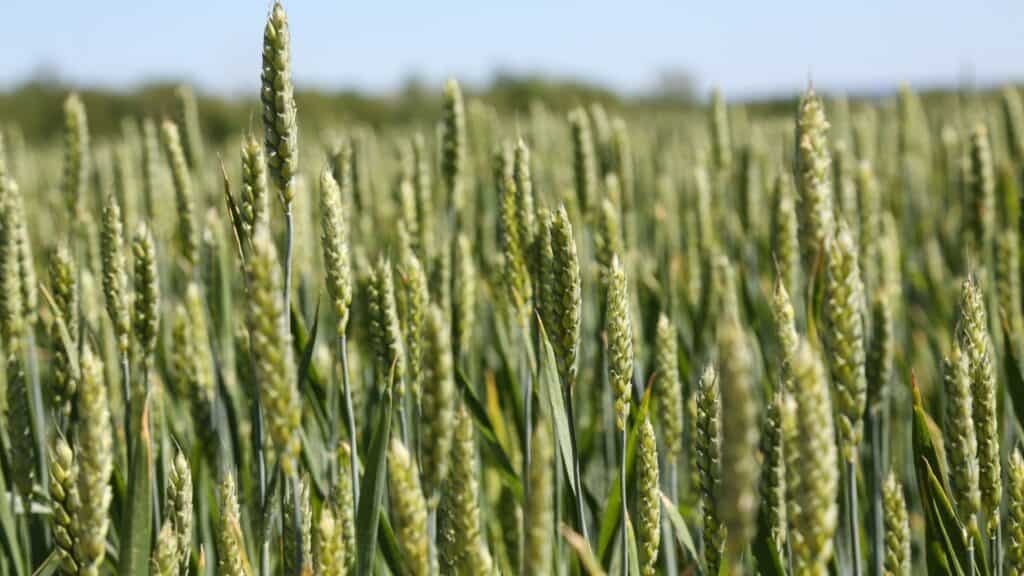
Advance Wheat Breeding and Seed Production Through Precision Pollen Analysis
Wheat Pollen Quality Analysis
Knowing the Reproductive Properties – A Critical Challenge in Wheat Breeding and Seed Production
Analyzing wheat pollen presents a unique challenge. Specifically, due to its high sensitivity and short lifespan, conventional methods fail to measure pollen viability and pollen quantity. Consequently, these are crucial parameters for wheat reproduction.
Fortunately, label-free single-cell impedance flow cytometry offers a solution for precisely determining pollen viability and pollen quantity. Moreover, it provides valuable insights into the reproductive characteristics of individual lines, thus accelerating the breeding process.
Challenge:
Pollen Quality Phenotyping
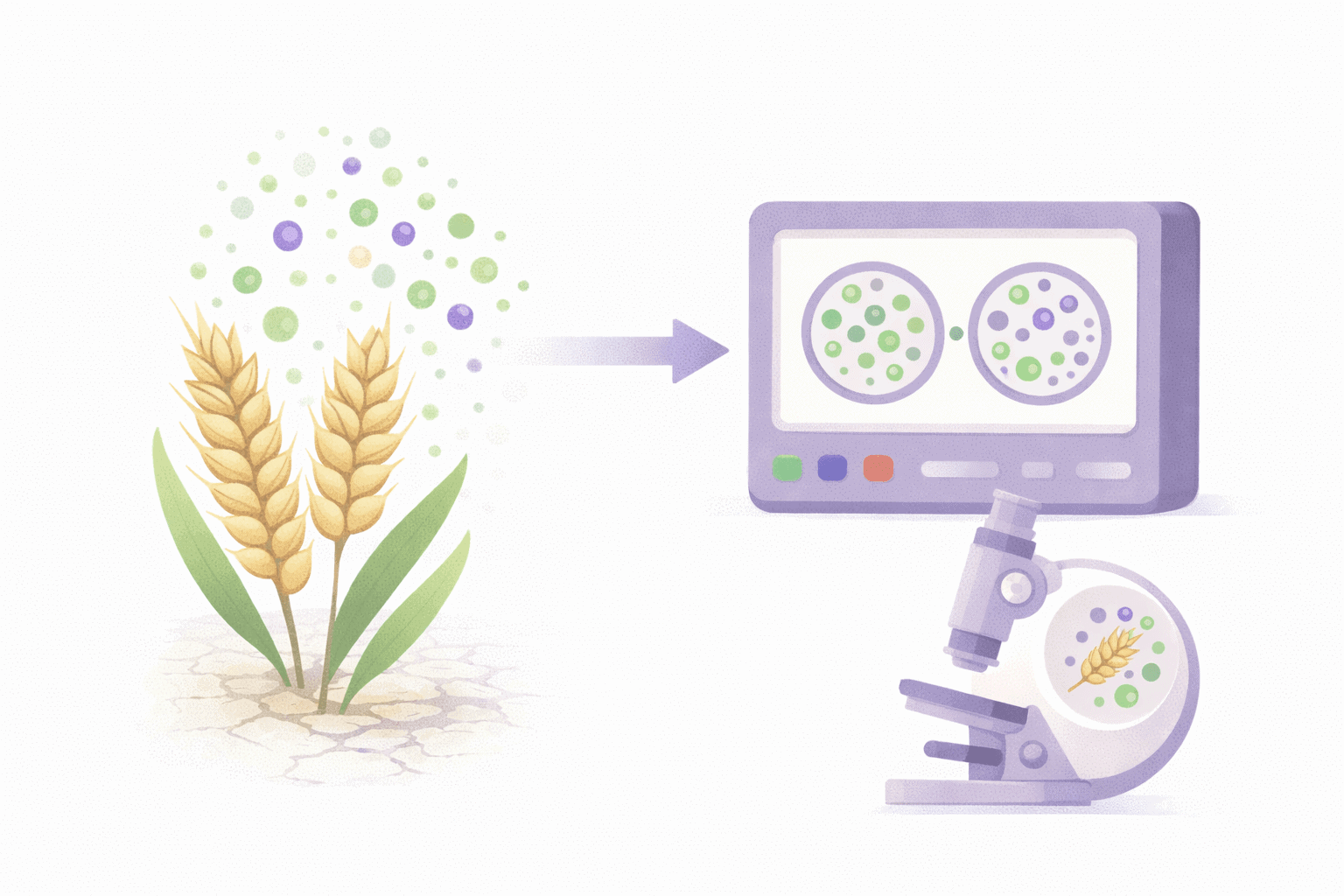
Wheat is naturally self-pollinating and therefore has a high pollen viability, but a short lifespan, as the pollen does not have to travel long distances. Hybrid wheat pollen, on the other hand, faces the challenge of reaching the female line: this requires a large quantity of pollen, and the longer the lifespan, the higher the probability of successful fertilization.
While conventional methods fall short, Amphasys’ label-free impedance flow cytometry allows to analyze the important reproductive properties of fragile wheat pollen in an exact and easy way. This breakthrough allows breeders to measure viability and quantity in real-time, providing the first reliable method for phenotyping of wheat pollen.
Challenge:
Undetected Stress Sensitivity
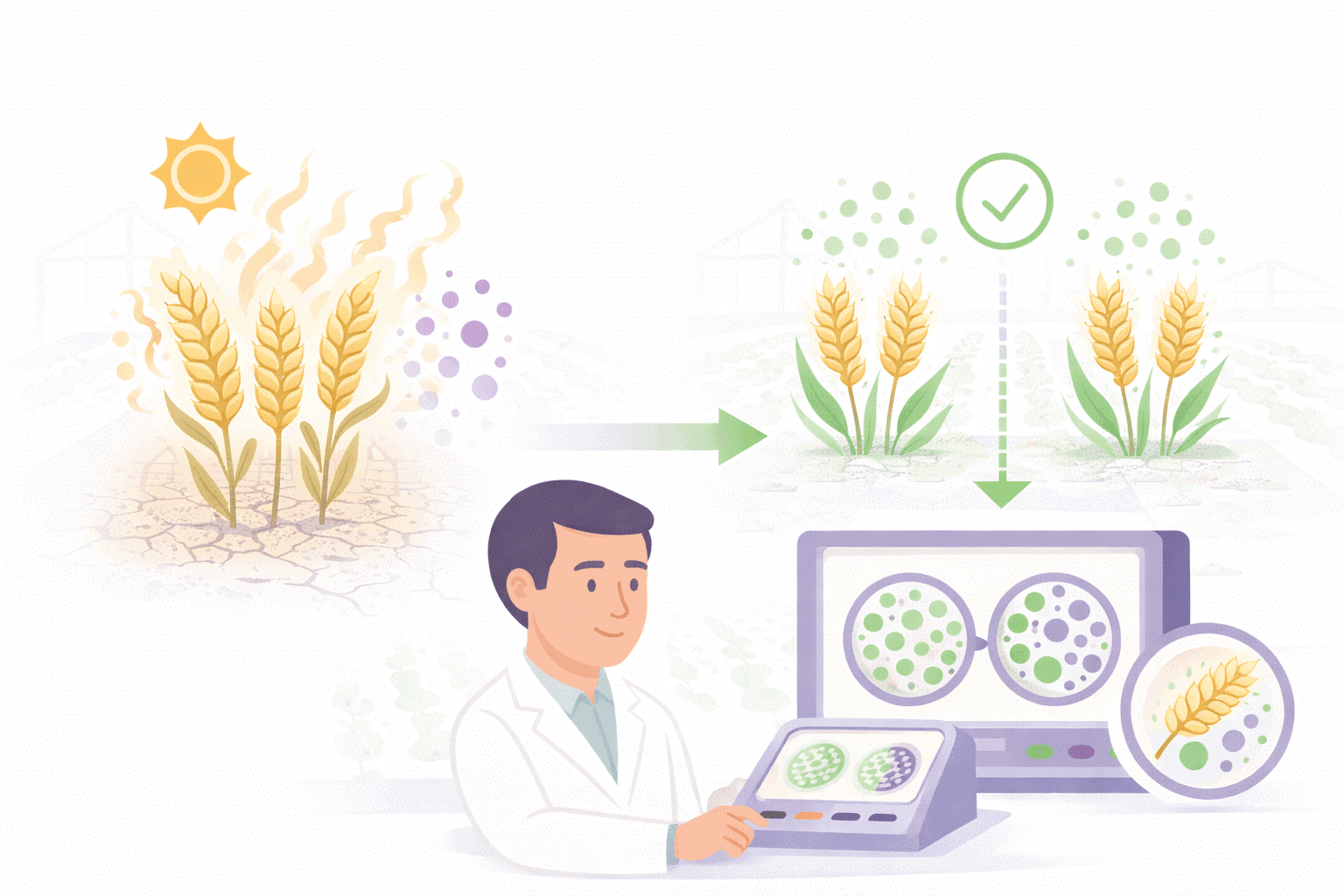
Abiotic stress, such as heat and drought, can drastically reduce the production of a sufficient amount of viable pollen. Particularly at the beginning of flowering, heat stress can lead to the abortion of pollen cells. Since this susceptibility depends on the specific pollen line, the challenge lies in identifying the most productive pollinator lines. However, conventional methods are insufficient to capture the effects of stress.
Systematic screening of all lines in a breeding program allows the exact identification of viability, pollen quantity, lifetime assessment, and proportion of aberrant pollen cells and thus identification of stress-tolerant lines. Breeders can confidently select parents that maintain high viability under environmental stress, ensuring stable fertilization and accelerating hybrid development.
Challenge:
Production Pattern Optimization
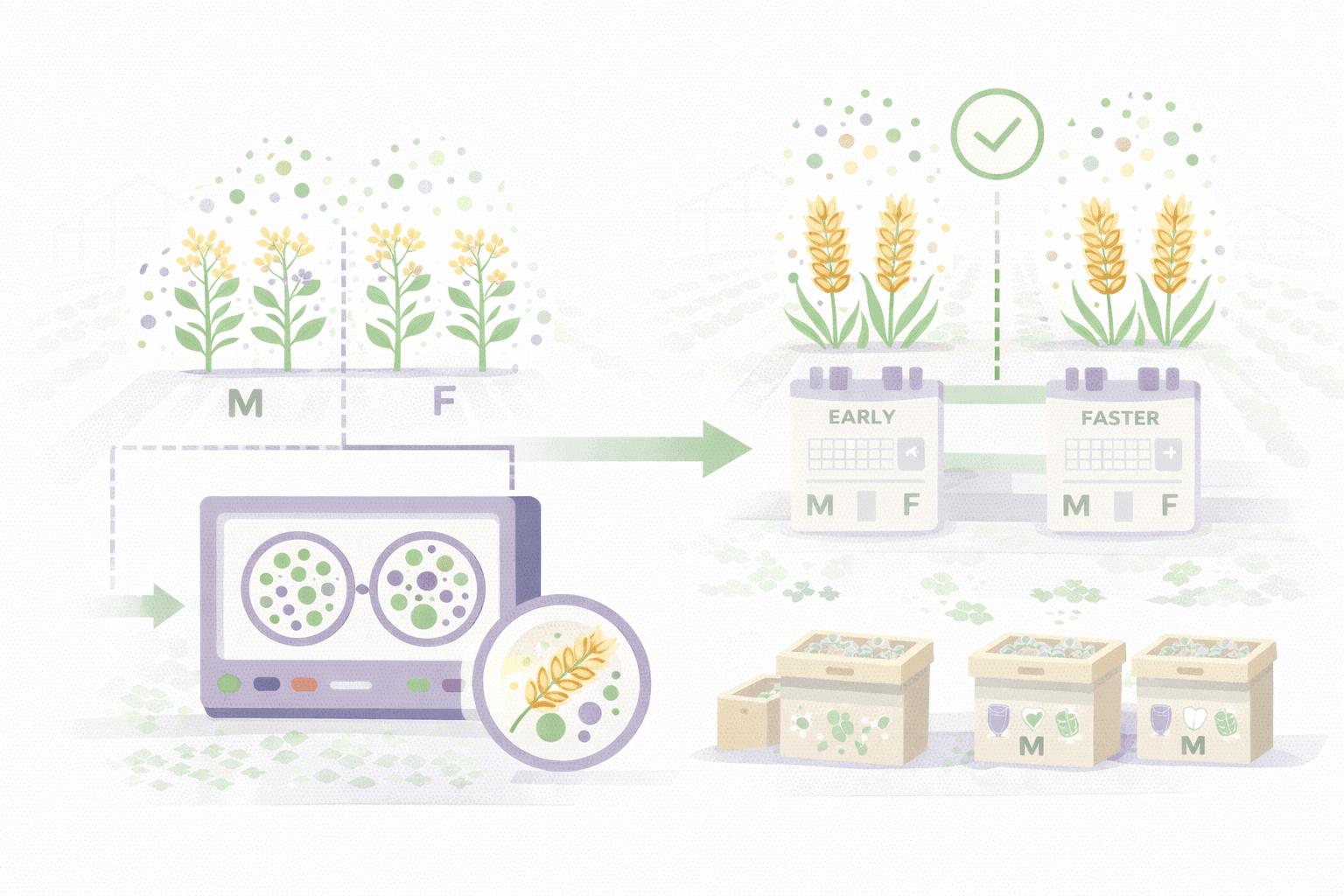
Successful and efficient hybrid wheat production relies on an optimal female-to-male ratio, among other factors. However, without knowledge of line-specific, reproductive properties and quantitative data on pollen viability, quantity, lifetime, and shedding dynamics, optimization of production parameters remains a gamble.
Amphasys’ technology quantifies all pollen data in a fast, reliable and accurate way. By understanding exactly when and how much viable pollen is released, producers can optimize female-to-male ratios and ensure best seed production results.
The Right Tools for Wheat Pollen Analysis
To support wheat breeders and seed production teams in making fast, data-driven decisions, Amphasys offers a powerful combination of pollen analyzers and corresponding crop-specific chips. Whether you work in the lab, greenhouse, or field, our tools are designed to deliver accurate, real-time insights into pollen quality—when and where you need them.
Ampha Z40
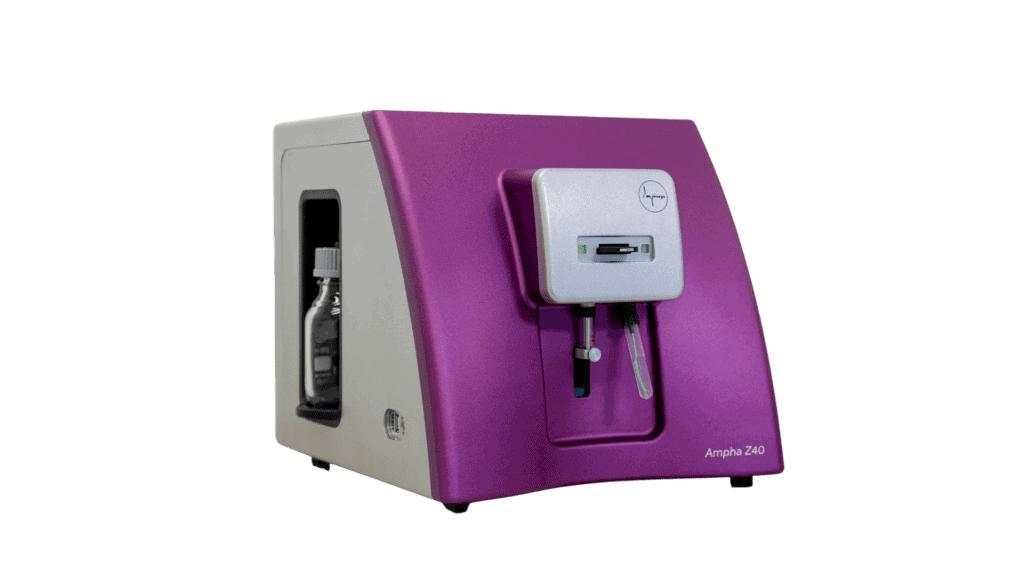
Designed for high-throughput and detailed research, the Ampha Z40 is ideal for all tasks from R&D to seed production. With full protocol flexibility, advanced analytics, and compatibility with all Amphasys measurement chips, it provides deep insights into pollen performance whether it be in breeding programs or seed production research.
Ampha P20

The portable, robust, and battery-powered Ampha P20 is ideal for remote measurements in greenhouse and field environments. It delivers real-time viability and concentration data, supported by automated data-analysis with the crop-specific AmphaChip Wheat. Perfect for plant breeders and seed production teams who need fast and straightforward results without lab infrastructure.
AmphaChip Wheat
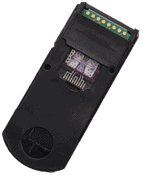
This chip, specifically designed for wheat, is calibrated to the size and properties of wheat pollen cells. Thanks to its automated data-analysis, it delivers precise and reproducible results on viability and concentration within one minute—whether you are screening lines in breeding or seed production. With its high sensitivity and plug-and-play handling, it is ideal for systematic screening in the lab, greenhouse, or field.
How Wheat Pollen Analysis Works in Practice
For plant breeders and seed producers pollen quality control is crucial for achieving efficient breeding processes and high seed set. Amphasys Pollen Analyzers allow you to integrate pollen quality monitoring directly into your workflows—before issues arise.
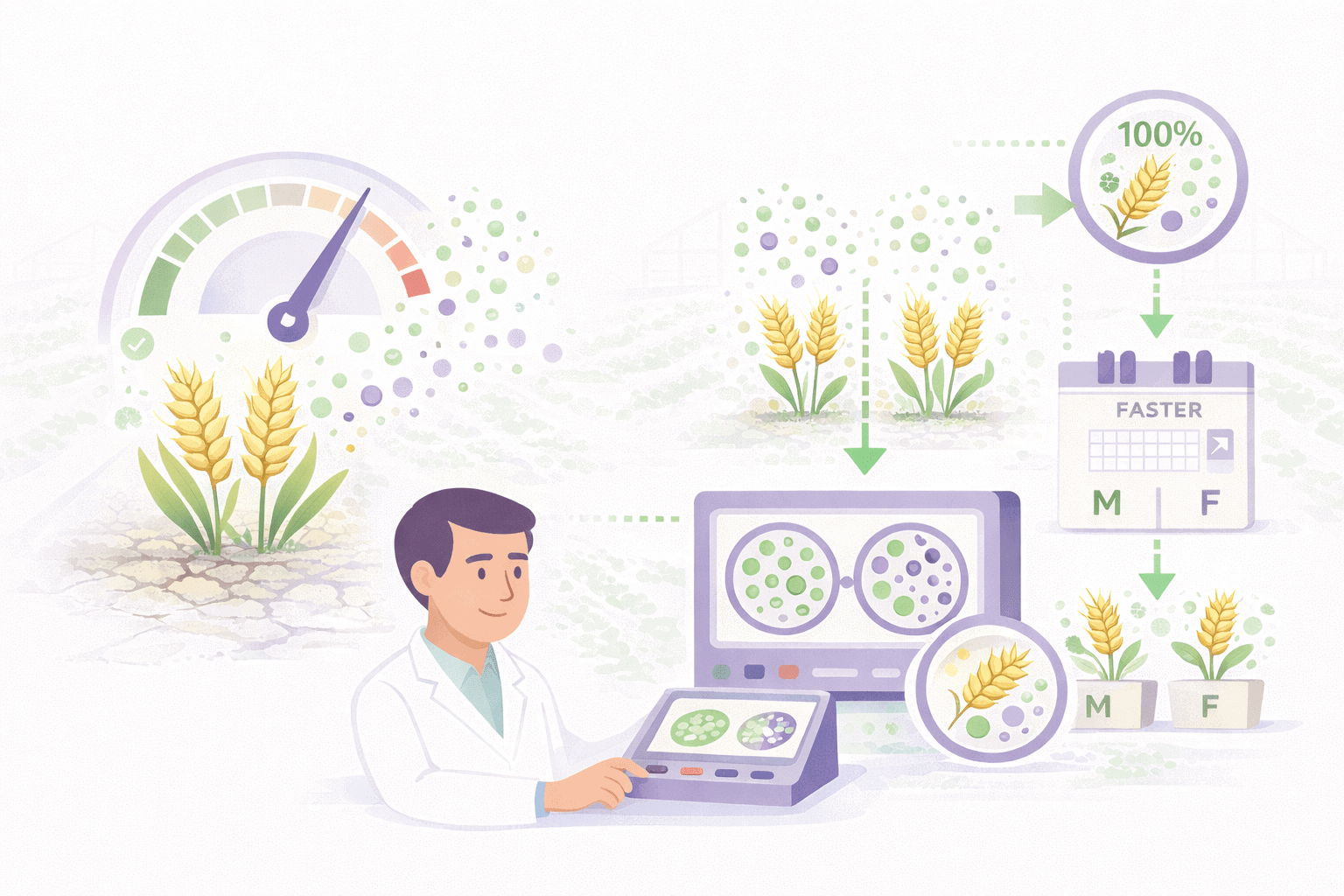
Breeding: Pollen Quality Phenotyping for Hybrid Wheat Development
Pollen Viability and Lifetime Assessment
Wheat pollen shows a relatively short livespan and remains viable only for a very short period after shedding. While in inbred line breeding this causes no issues, in hybrid breeding male lines desirably not only produce a very high quantity of pollen but also pollen that maintains viability long enough to ensure successful pollination after travelling to the female plant.
With Amphasys’ technology, breeders can:
- Exactly evaluate pollen viability
- Monitor viability decrease over time to determine pollen lifetime
- Characterize line-dependent differences in pollen quantity
- Identify stress-tolerant lines
Seed Production: Efficient Hybrid Wheat Seed Production
Optimizing Production Parameters
For the commercial seed production of hybrid wheat, the optimal production parameters are a prerequisite for success.
Using Amphasys Pollen Analyzers based on impedance flow cytometry, seed production reseachers can:
- Assess pollen quality and shedding dynamics to improve female-to-male ratios for optimized production patterns
- Quantify pollen shed per spike or area to evaluate line productivity
- Synchronize flowering between male and female lines
- Select the best location for crop placement
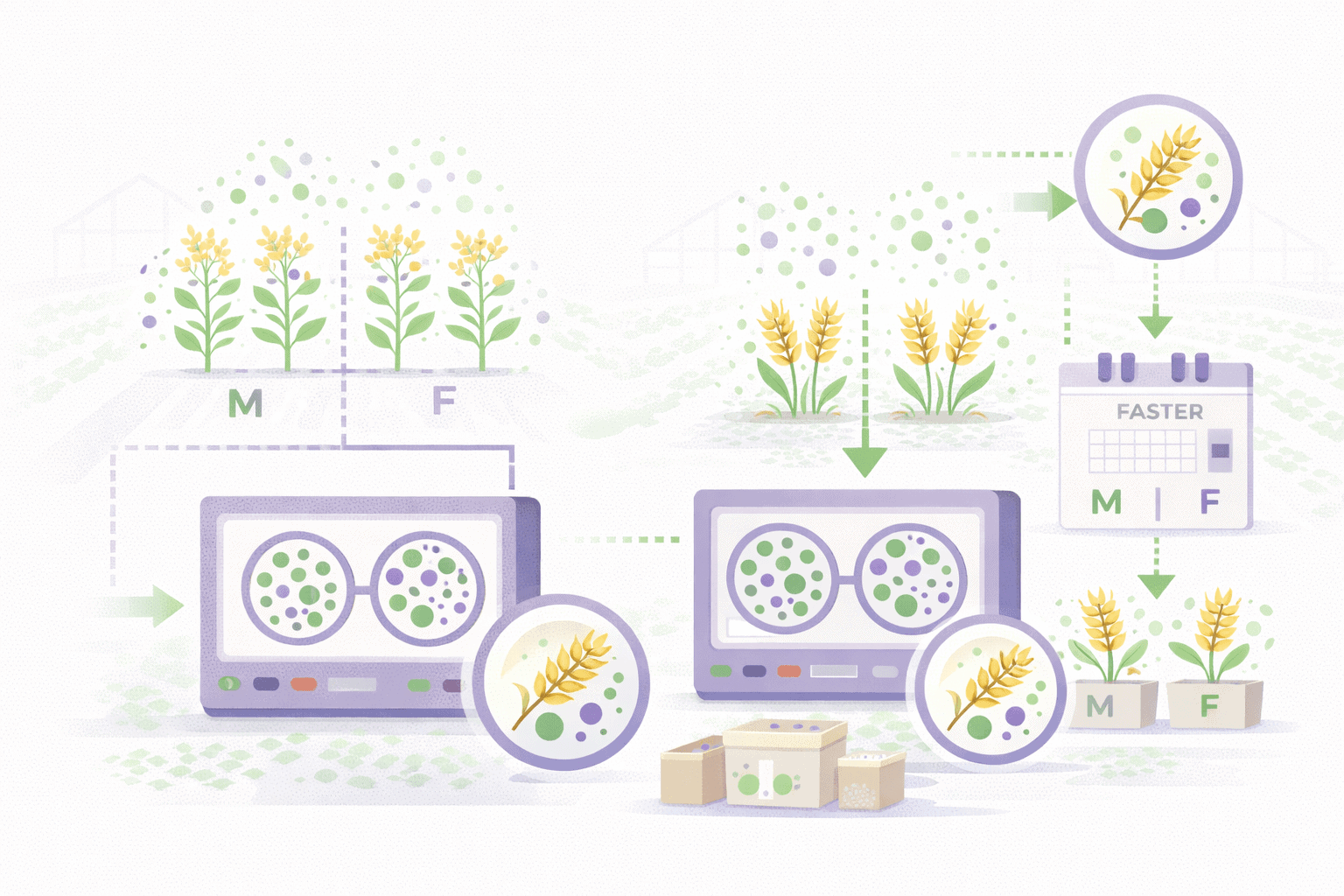
Bottom line: Amphasys offers a technology for real-time pollen quality measurement of wheat pollen. Expand your knowledge of your lines’ reproductive traits for better, data-driven results in plant breeding and seed production.

Phenotype pollen quality for data-based line selection

Quantify pollen shed dynamics to optimize female-to-male ratios
Select best-performing parental lines for high yields

Establish reliable protocols for hybrid seed production
Learn More
Deepen Your Knowledge & Drive Better Results
Download expert resources to dive deeper into wheat pollen analysis, measurement technology, and real-world results.
Video
Wheat Pollen Analysis with the Ampha P20
Faster, easy to use, and portable: these are the innovative features of the Ampha P20, making pollen analysis in plant breeding, production research and seed production much more efficient.
Video
Ampha P20 Pollen Analyzer
The Ampha P20 Pollen Analyzer is an ideal instrument for the measurement of a large number of samples of pollen and for routine measurements wherever they are needed.
Video
Customer Success Story
Murielle Philippot, project manager in cell biology, will present the result of a study on the use of IFC during microspore culture in wheat.















Frequently Asked Questions
Why is pollen analysis particularly challenging in wheat breeding and seed production?
Wheat pollen is extremely short-lived and bursts upon contact with liquid media. Furthermore, a quantitative determination of the line-dependent pollen shedding is not possible. Therefore, conventional methods cannot reliably determine the line-dependent variability in viability and quantity of pollen. This complicates the phenotypic characterization of pollen quality and leaves breeders and seed producers without the quantitative data necessary for sound line selection and cultivation optimization.
Why is pollen viability and lifetime critical for hybrid wheat breeding?
In hybrid wheat breeding, successful cross-pollination requires pollen that remains viable long enough to travel from the male to the female plant. While pollen lifetime is not critical in self-pollinating inbred lines, it becomes a key parameter in hybrid systems. Quantifying pollen viability directly after shedding and monitoring its decline over time enables identification of male lines suitable for hybridization.
How does quantitative pollen analysis support optimization of female-to-male ratios in wheat?
Successful hybrid wheat production depends on an optimal female-to-male ratio. Without quantitative data on pollen viability, pollen quantity, and pollen shedding dynamics, these ratios cannot be optimized. Quantitative pollen analysis provides precise information on how much viable pollen is released and when, enabling producers to design efficient production patterns and improve seed set.
How does abiotic stress affect wheat pollen quality?
Wheat pollen is highly sensitive to abiotic stress such as heat and drought during the early maturation. Stress can drastically reduce the formation of viable pollen and increase the proportion of aberrant pollen (cells that were aborted during maturation). Without systematic screening, stress-sensitive lines may not be detected in the selection process, compromising reproductive success and yield stability under variable environmental conditions.
How does quantitative pollen analysis improve hybrid wheat seed production strategies?
Quantitative pollen analysis enables reproducible measurement of pollen viability, quantity, lifetime, and shedding behavior. This allows breeders and seed producers to phenotype parental lines, select stress-tolerant and productive male lines, synchronize flowering more precisely, and establish reliable protocols for hybrid wheat seed production.
Talk to our Experts
Ready to improve your breeding efficiency or seed production yield? Our experts are here to help you find the right solution for your specific needs.