One afternoon on what a bioprocess needs to know about its cells — with contributions from industry and applied research, and a first look at a new development from Amphasys.
Knowing your cells, from the first flask to the running process
Amphacademy Bioprocessing is Amphasys' annual expert event for the bioprocess community. This year it runs online, so practitioners from anywhere can join. The afternoon brings together contributions from industry and applied research, each followed by moderated Q&A, and a first look at a new development from Amphasys.
Industry perspective
Practical experience from the bioprocess industry.
Applied research
Current work from applied research in biotechnology.
What comes next
A first look at a new development in automated cell monitoring, with the people who develop the technology answering your questions directly.
Contributions
Five contributions from industry, applied research and Amphasys, each followed by moderated Q&A.
Biological AI: The secret sauce for better decisions?
Cell concentration, counts and viability are established parameters to understand the basic behaviour of cells in a bioreactor or to develop or optimize the fermentation process. But to make better decisions to get more yield, avoid costly downstream contamination or even have more information about the cell status, a second layer of information is needed: actionable biological insights. Impedance flow cytometry is capable of accessing this hidden layer and moreover, in combination with analysing the raw data (up to 40 parameters per cell, 1.5 million data points per second) by AI models, a new unmatched world opens, providing cell insights in a very short time.
From protein function to process design: A product-oriented view of precision fermentation
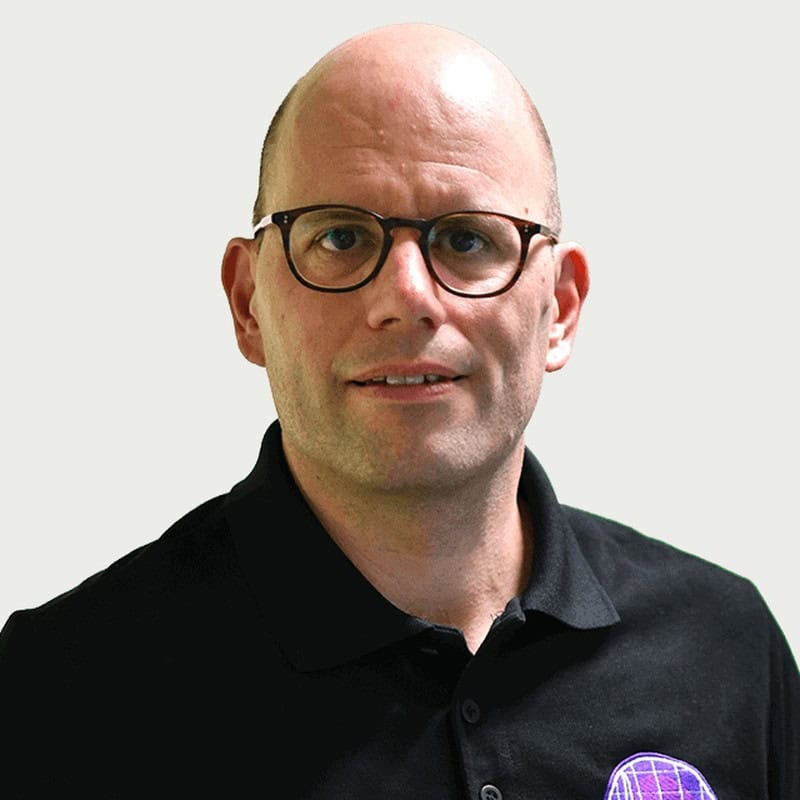
This talk will explore how defining the desired function first can help connect target protein characteristics with upstream and downstream decisions, analytical strategies, and ingredient evaluation. It will consider structure, recovery, processing stability, food-matrix interactions, and digestion as linked parts of development. The aim is to show how product requirements can guide process optimization and make fermentation outcomes more relevant to real food applications.
About the speaker
Aniela Kempka is a Full Professor in the Department of Food Engineering and Chemical Engineering at the State University of Santa Catarina (UDESC), Brazil, and an independent scientific consultant in protein ingredients and bioprocesses. Her work focuses on the development and characterization of protein-based ingredients, including fermentation, enzymatic processing, functional properties, and biological activity. She connects protein science with product and process development for food applications.
Impedance flow cytometry across microbial and mammalian bioprocesses: A comparison with conventional growth monitoring methods
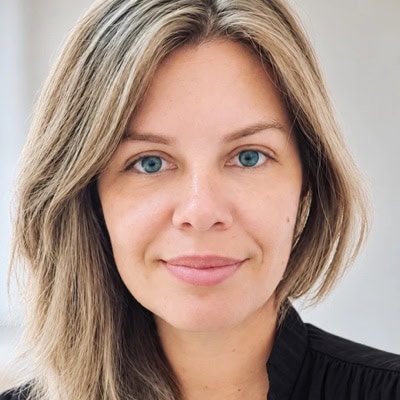
The relationship between IFC-derived parameters and conventional process indicators will be explored, highlighting common trends and complementary insights. Examples from diverse cultivation systems, ranging from small microbial organisms to mammalian cell cultures, will demonstrate the applicability of IFC across different biological scales. The results will show both the opportunities and limitations of IFC and its potential as a complementary or alternative analytical approach within established Process Analytical Technology (PAT) strategies.
About the speaker
Lara Gassmann is a Research Assistant in Bioprocess Technology at ZHAW while pursuing a master’s degree in biotechnology. Her work focuses on process enhancement and monitoring of microbial and mammalian cell cultures, with a particular interest in impedance flow cytometry.
Building advanced sensing for precision fermentation processes
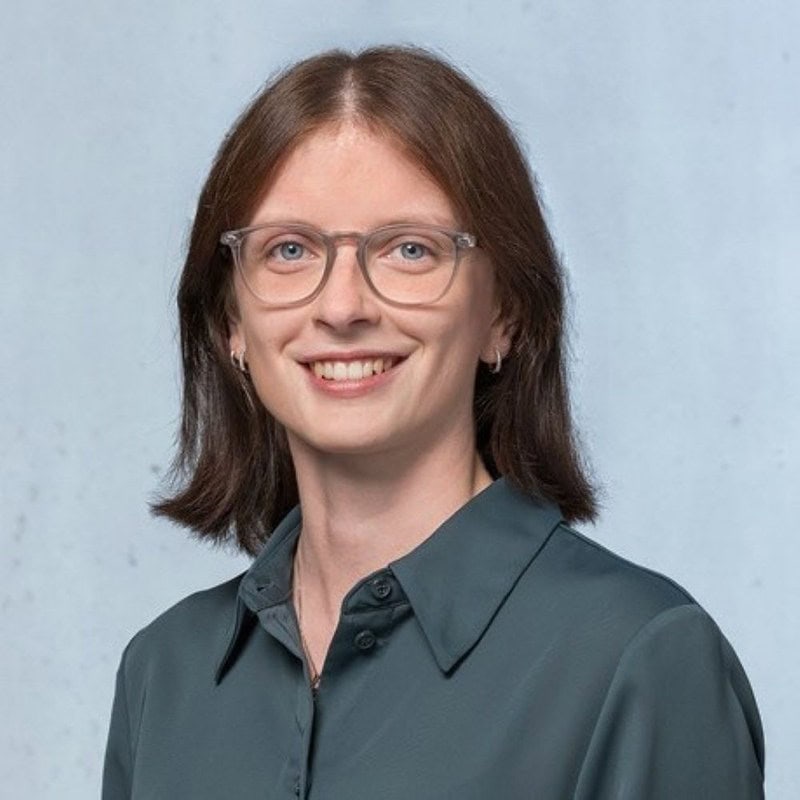
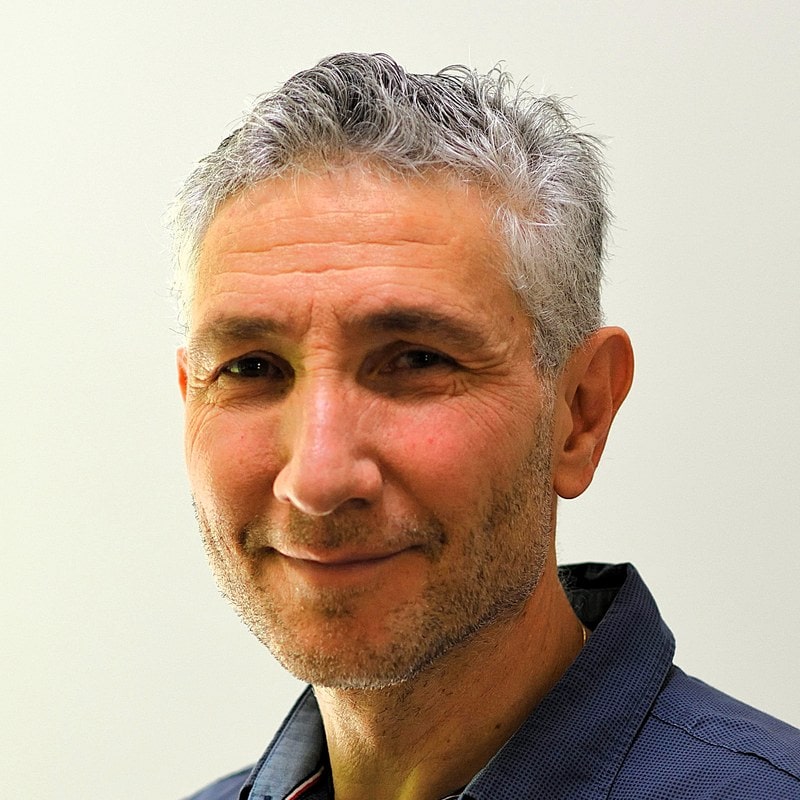
A methanol-induced Komagataella phaffii process producing a secreted recombinant protein serves as the case study, examined phase by phase to identify the operating decisions that depend on cell-level information not available today. Machine learning applied to raw impedance flow cytometry signals, validated against established reference methods, provides part of the answer, together with observations on cell viability across five-day runs and a view of what remains to be established.
About the speaker
Anna Visentin is a microbiologist at Arsenale Bioyards, a precision fermentation company in Italy. She works across strain handling, fermentation support and R&D projects developing new analytical and monitoring capabilities for the company’s fermentation processes. Her earlier work was largely in strain engineering across a range of microbial hosts; she holds a PhD in Biosystems and Food Engineering from University College Dublin and a degree in Industrial Biotechnology from the University of Padova.
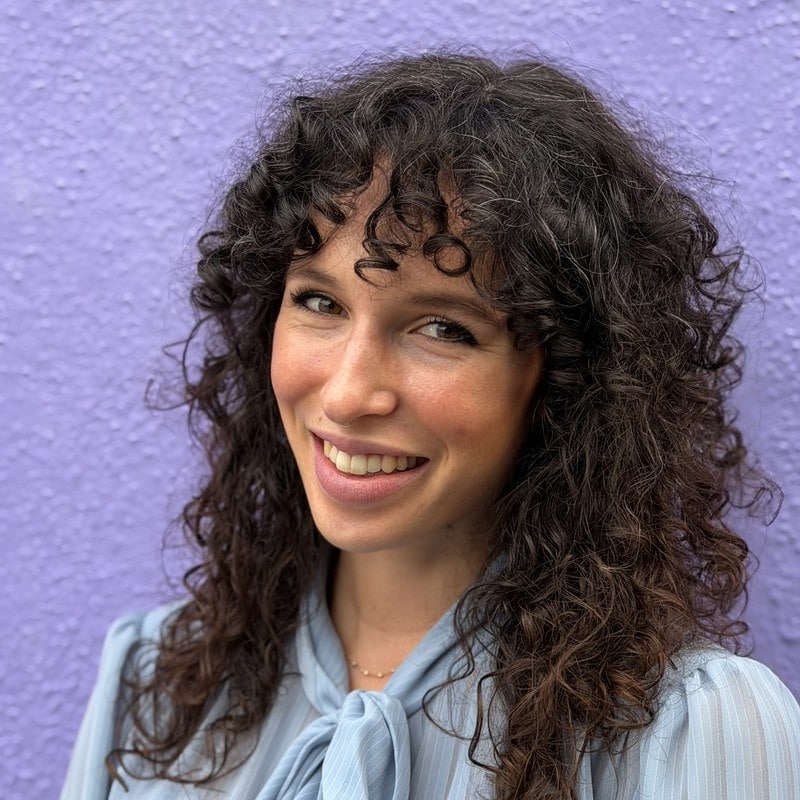
A first look at what comes next in automated cell monitoring
About the speaker
Marco Di Berardino holds a PhD in Microbiology from ETH Zurich. After working on antibiotic development in the pharmaceutical industry and on automated liquid-handling platforms for diagnostics, he began developing an impedance flow cytometer in 2004, based on technology from a PhD thesis at EPFL, and co-founded Amphasys to bring it to market. As CTO, he led the launch of the world’s first commercial chip-based high-frequency impedance flow cytometer and drives Amphasys’ work in cell analysis for research, biotechnology and bioprocessing.
Timetable
- Welcome
- Opening: Biological AI: The secret sauce for better decisions?Markus Bernasconi, Amphasys
- From protein function to process design: A product-oriented view of precision fermentationAniela Kempka, UDESC, Brazil
- Impedance flow cytometry across microbial and mammalian bioprocesses: A comparison with conventional growth monitoring methodsLara Gassmann, ZHAW
- Break
- Building advanced sensing for precision fermentation processesAnna Visentin, Arsenale Bioyards
- Innovation preview: A first look at what comes next in automated cell monitoringMarco Di Berardino, Amphasys
- Closing
- End
All times CET (UTC+1). Every talk includes moderated Q&A.
Built for people who run and develop bioprocesses
- Process development, upstream and MSAT teams
- PAT, automation and bioprocess engineering specialists
- Precision fermentation and cultivated food
- Biopharma and protein production
- Industrial biotech with yeast, bacteria and algae
- Research groups working on cell culture and fermentation
Register once, join from your desk
Register free
A short form on Zoom — name, organisation and role. You receive your personal join link by email right away.
Join live on 19 November
Follow the talks and the innovation preview, and put your questions to the speakers in the Q&A.
Talk to an expert
Want to discuss your own process? Let us know during the event, and an Amphasys application specialist will get in touch afterwards.
What participants said
“It is very important to bring new cases from academy and industrial partners.”
Erdem Carsanba · Cosaic Bio · 2025
“The presentations were outstanding — insightful, clear, and very well structured. […] I especially appreciated how the speakers broke down complex workflows and showed the interdisciplinary thinking behind modern bioprocessing.”
Kpedido Godonou · Participant 2025
“The talks were very interesting and stimulating, as I learned a lot and it made me think of different things which I would like to try with Amphasys’ technology.”
Loïc Tauzin · Flow Cytometry Specialist, Nestlé · 2024
“The Amphacademy was really great and we got some very good information and contacts, so it was a complete success!”
Nils Thieme · Lab Manager & Senior Biotechnologist, Planet A Foods · 2024
Join us on 19 November
One afternoon with contributions from industry and research and a first look at what comes next from Amphasys — online and free of charge.