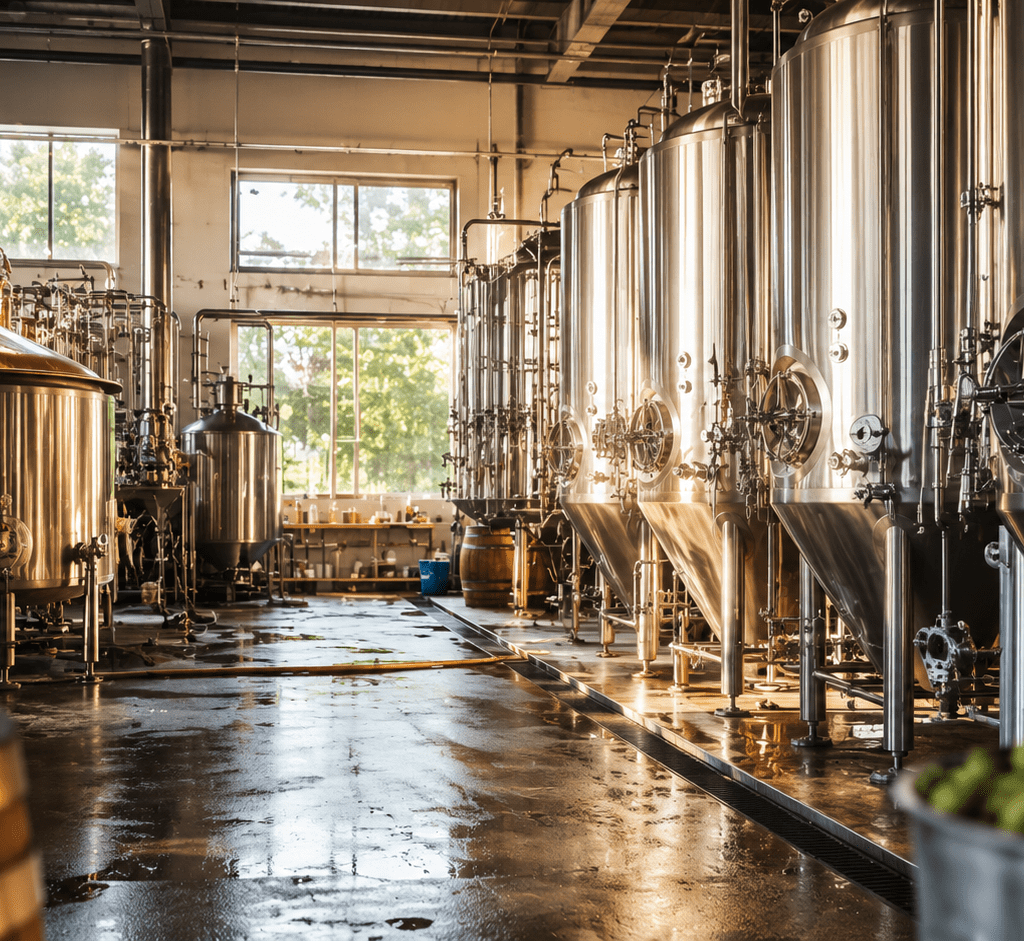
Ampha X10 measuring brewing yeast viability on the brewery floor

On-site yeast analysis for breweries

Your pitch, measured — on the floor, in a minute

The pitch decides the batch — yet slurry weight and a slow lab result can't tell you what's actually alive. Single-cell yeast analysis gives you the real numbers — viable cells, how many are in active growth, and the exact amount to pitch — right on the brewery floor, with the Ampha X10.

Built for breweries — fast, on-the-floor yeast measurement for any brewing Saccharomyces, ales and lagers. Most valuable if you repitch yeast, run more than one site, or fight batch-to-batch consistency — without the overhead of a lab bench or a tank-integrated skid.

On the screen

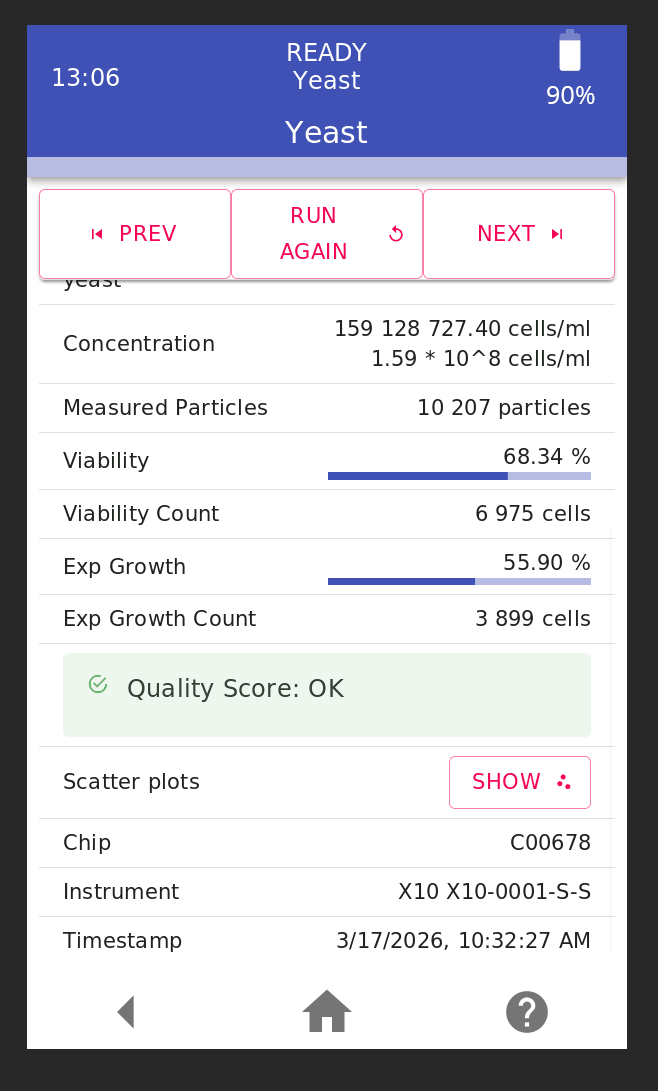
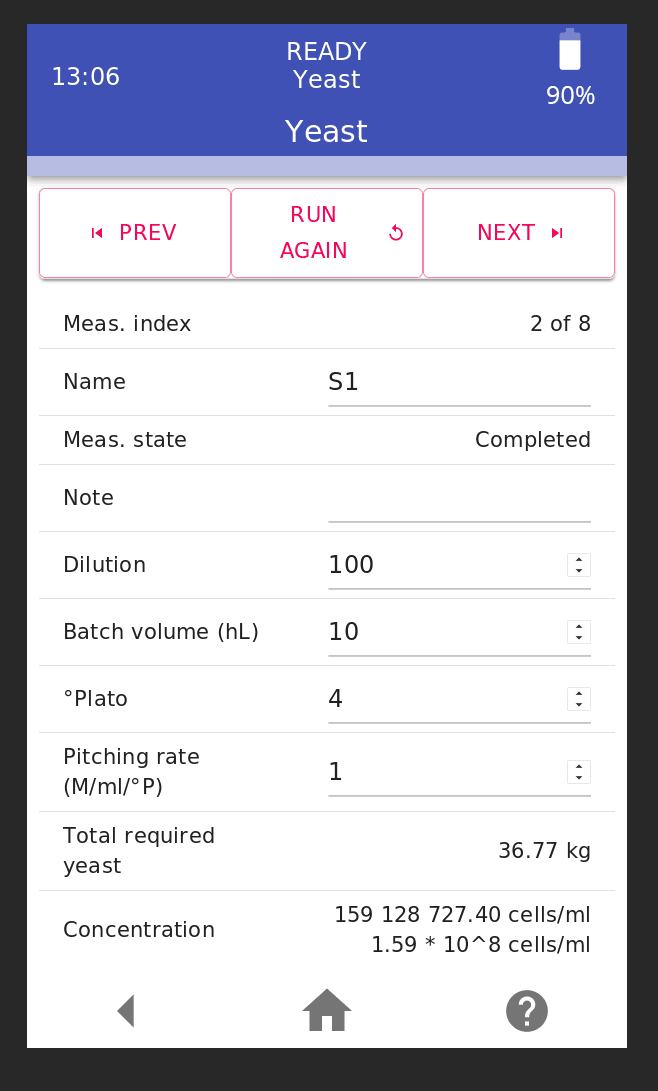
The numbers that decide the pitch — at a glance

PitchingPitching calculator
ViabilityViability

Left: °Plato, batch volume and target rate in — the exact amount to pitch out. Right: viability, concentration and cells in active growth — one read-out, one minute.
The payoff

Brew faster without compromising on quality

Pitching the right amount every time means faster, more predictable fermentation — so tanks free up sooner and the same brewhouse turns out more beer.

What a shorter fermentation could pay back

A measured pitch puts the right number of viable cells in the tank, so the batch reaches target sooner and the same brewhouse fits more batches. Enter your own numbers to see the payback.

Your numbers

hL
€ / hL
€ / hL
Pays for itself in
6–8months

Based on about 8 more batches a year (~€40'000 extra margin), from ~10% less time in the tank.

Assumes fermentation normally takes 5 days and reaches target about 10% sooner with a measured pitch (typically 10–20%), across 340 operating days a year. A planning aid — results depend on brewery size, capacity and margins. Quality gains come on top.

We'll email you a summary you can forward to your management.

Proven in production

A 20% faster fermentation

A well-known Swiss brewery brought Amphasys yeast analysis into daily production and cut fermentation time by about 20% — more consistent beer, and more runs per year.

“When yeast is happy, we end up with good beer.”
— Thomas Voggesser, Brewmaster & Head of Quality, Doppelleu
Measured with Amphasys impedance flow cytometry — the same technology inside the Ampha X10.
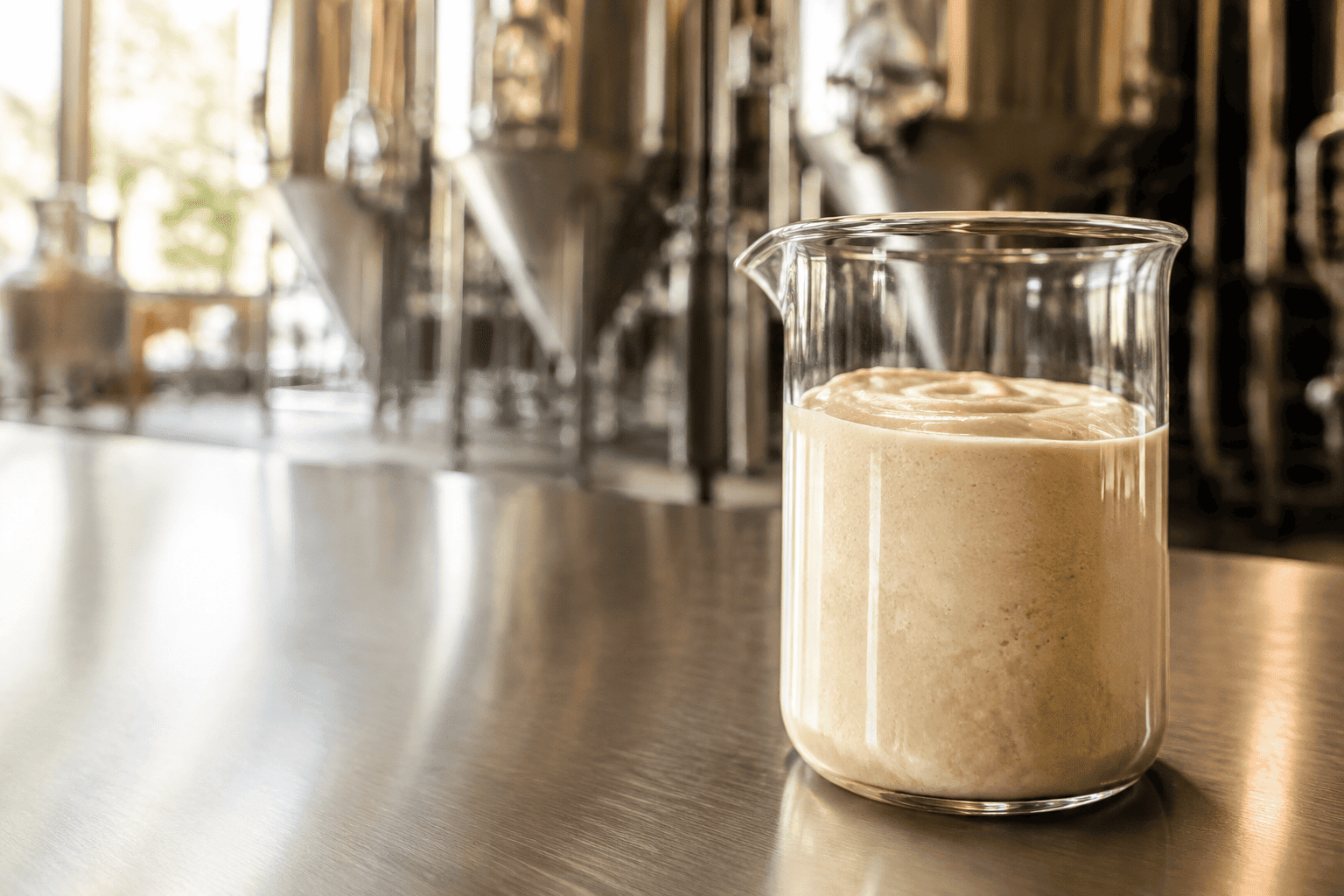
Harvested brewing yeast slurry
Harvested yeast

Repitch on a number, not a hunch

Repitched yeast can't be taken on trust — every crop drifts, and generation count tells only half the story. A viability read before pitching turns reuse into a decision: below ~65%, adjust the amount instead of finding out in the tank a day later.

How it works

Single cells, measured electrically

Each cell passes through a microfluidic channel and is read individually by electrical impedance — viable or not, no stains, no dyes. The scatterplot builds in seconds; the full read-out lands in about a minute.
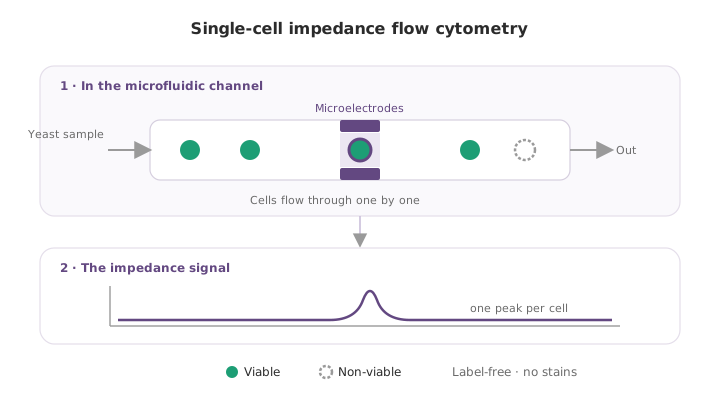
How impedance flow cytometry works

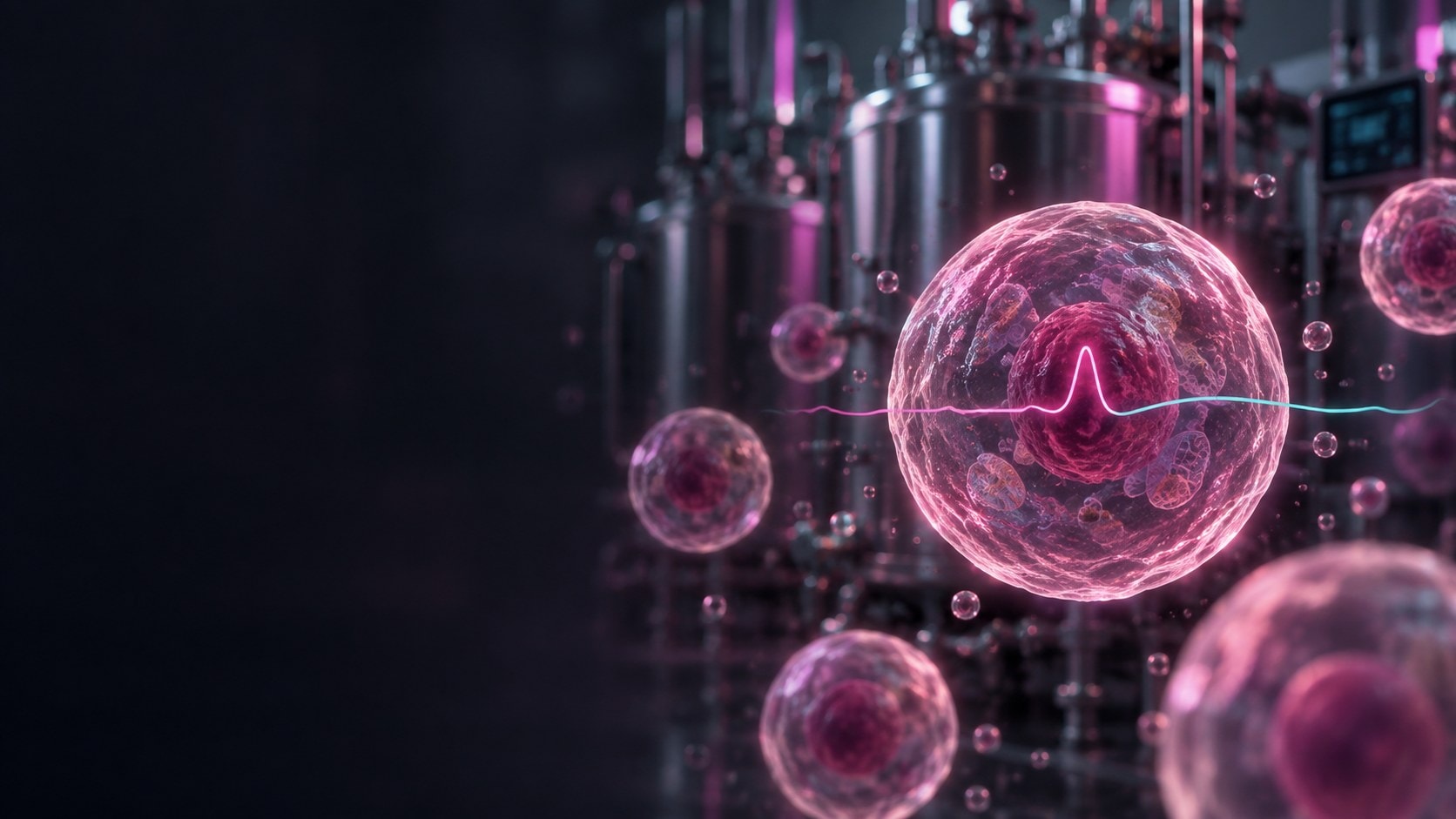
Single-cell yeast analysis reads every cell individually instead of averaging the slurry: viable and dead cells, concentration, cells in active growth, and the ready-to-pitch amount — label-free, dedicated to brewing Saccharomyces via the AmphaChip Yeast.

FAQ

Frequently asked questions

Which cells can it measure?+
Any brewing Saccharomyces — ales and lagers (Yarrowia too, per the technical data sheet).
How is it different from other methods?+
Cells are measured electrically (impedance) — no staining, in about a minute, thousands per run. The read-out includes viable cells, cells in active growth, and an automatic pitch-amount calculation for the batch.
Can it be used on harvested yeast?+
Yes — a viability read before each pitch flags when a crop has dropped below ~65% and the amount needs adjusting.
At what viability should I stop pitching as usual?+
Below about 65% viability, adjust the amount instead of pitching as usual — the measurement makes it a decision before the batch, not a problem in the tank a day later.
Does it work for distilling or cider?+
Yes — same on-site workflow for any brewing Saccharomyces.
How fast, and any prep?+
About a minute. Take a sample from the fermenter, dilute it, measure it — minimal prep, no dyes.
How much faster can fermentation get?+
Doppelleu Brauwerkstatt cut fermentation time by about 20% after bringing yeast analysis into daily production. Typical gains range from 10 to 20%.

Pitch on the number

The beer is the brewer’s craft. Measuring the yeast — down to the single cell — is ours. See it on a real culture, or talk it through with a specialist.

Decorative icon depicting a signal waveform and a support expert, symbolizing talking to an application specialist