OTHER APPLICATIONS
If it’s a cell in suspension, we can most probably measure it.
ONE TECHNOLOGY. A BROAD RANGE OF CELL TYPES.
Impedance flow cytometry (IFC) measures the electrical properties of individual cells as they pass through a microfluidic channel. Because it uses electrical—rather than optical—signals, it is unaffected by cell labeling, autofluorescence, and media turbidity. This makes IFC applicable to virtually all cell types in suspension with diameters between approximately 1 and 50 µm.
Our application pages cover bacteria, yeast, human and animal cells, and algae. If your cell type or application is not listed there (e.g., larger cells, spheroids, or organoids), this does not mean that IFC cannot be of use. This page is for anyone working with cells that do not fall into the usual categories.
What IFC Delivers – Regardless of Cell Type
Every Impedance Flow Cytometry measurement provides the same core information, regardless of the cell type and the medium used:
Cell Count
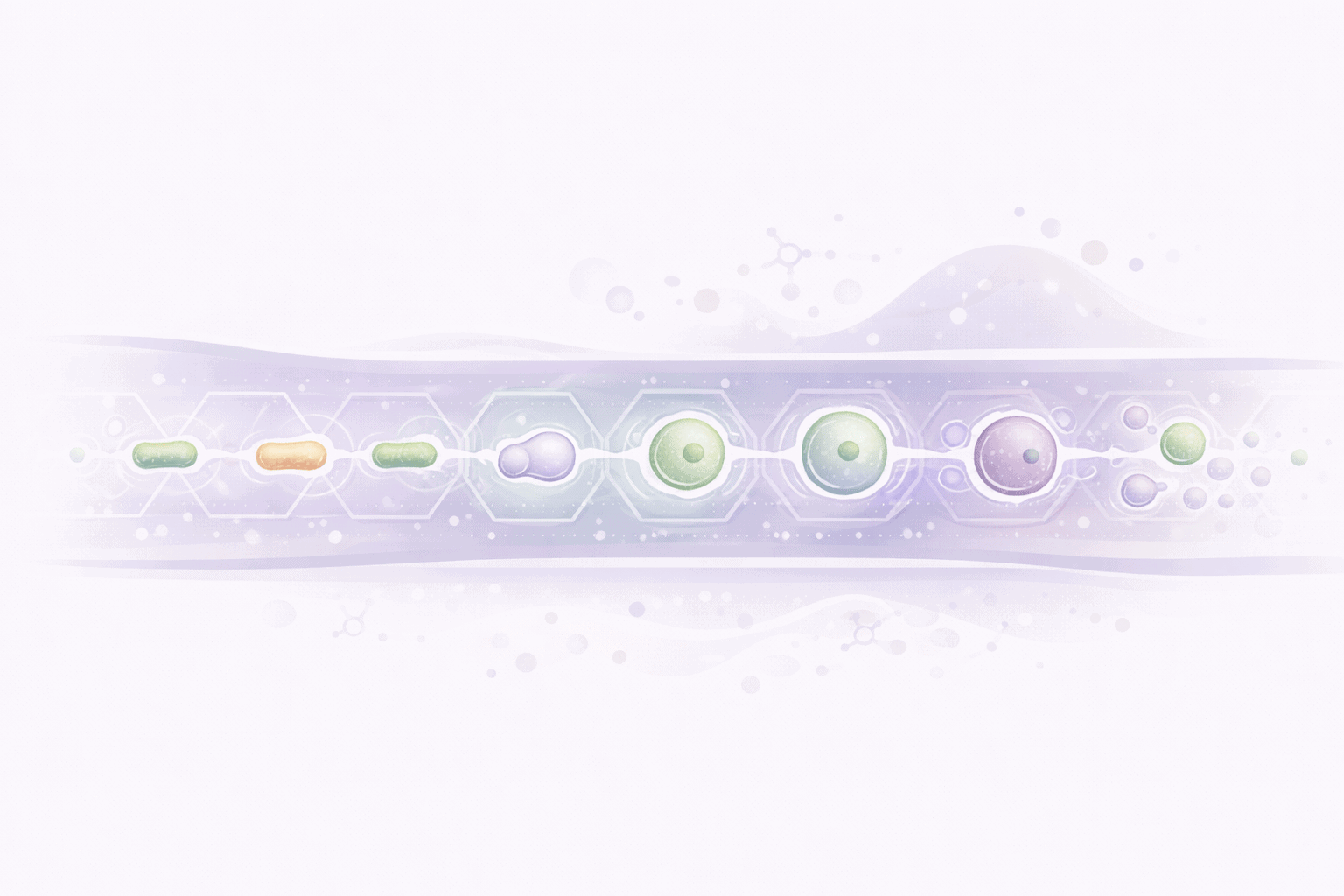
Direct enumeration of individual cells in suspension as they pass through the electrical field of the microfluidic chip.
No calibration curves, no indirect estimation: every cell is counted!
Cell Viability
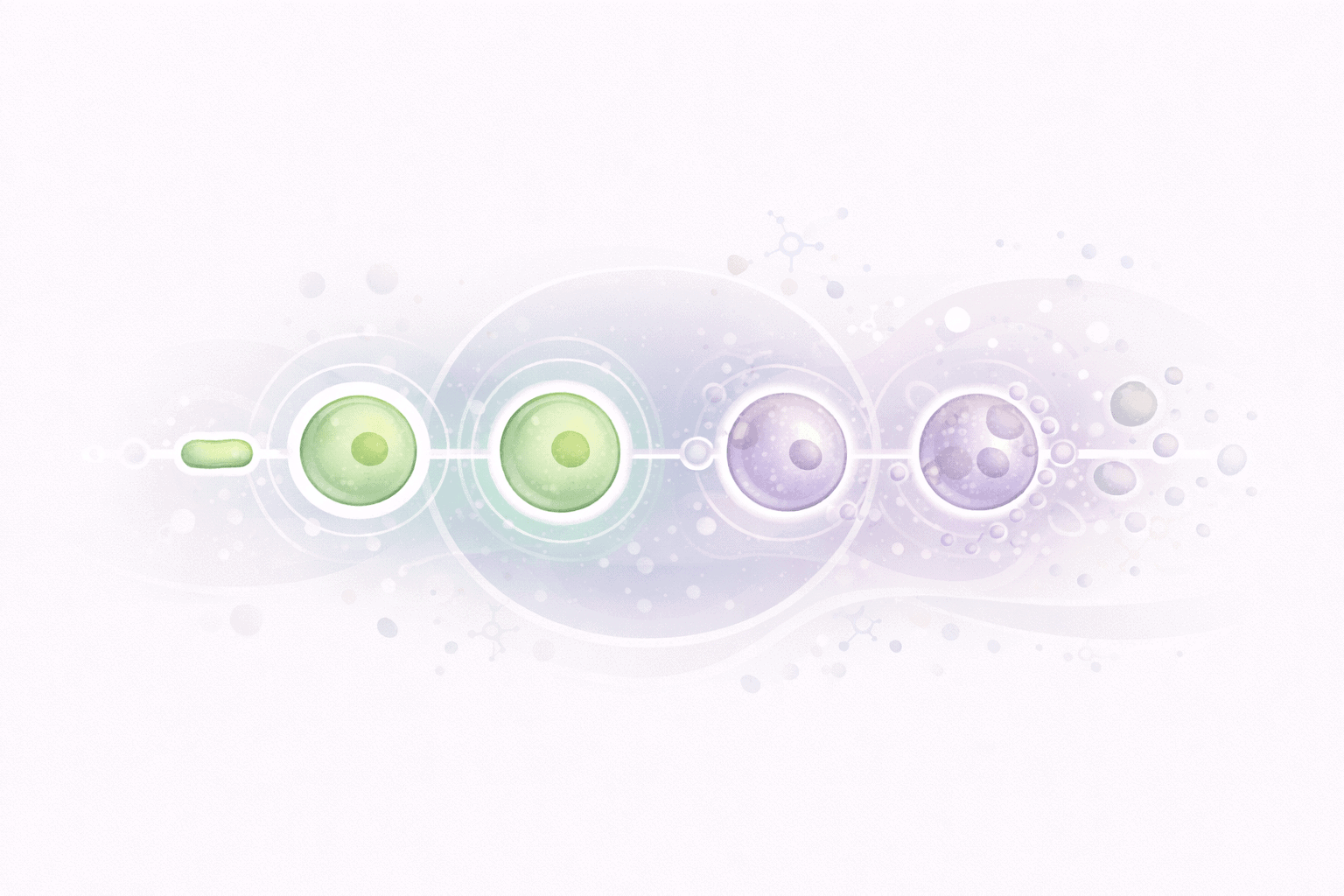
The electrical field in the microfluidic chip measures the membrane capacitance of each individual cell. This provides reliable and quantitative information about cell viability.
No dyes, staining, markers, or incubation – for any cell size!
Cell State
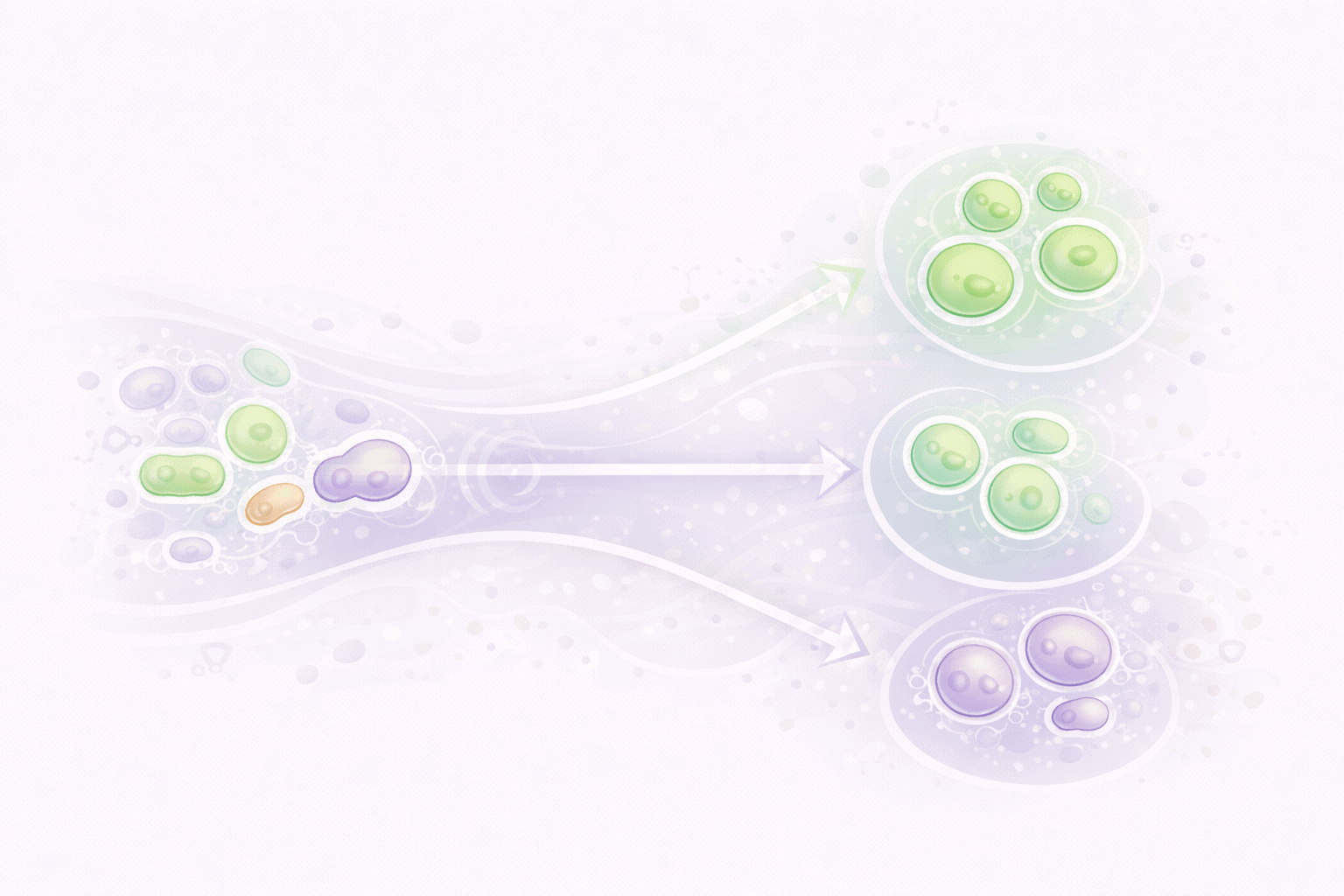
At higher frequencies of the electric field, cytoplasmic conductivity is measured. This provides information about intracellular conditions and is related to cell metabolism and health.
This allows for the identification of subpopulations, starving and dormant cells, cells at beginning apoptosis, or cells producing metabolites such as lipids.
All measurements are label-free, operator-independent, and completed within a minute.
Cell Types We Have Worked With
The Amphasys technology has been used with a wide variety of cell types beyond our core application areas. Here are some examples:

Fungi & Molds
Fungi, spores, and mold cultures used in industrial fermentation, enzyme production, or food science.
Insect Cells
Sf9, Hi5, and other insect cell lines used for baculovirus expression systems, vaccine and recombinant protein production.

Plant Cells
Plant cell and protoplast cultures used in agricultural biotechnology, secondary metabolite production, or regeneration studies.

Spores
Bacterial endospores, fungal spores, and other dormant cell forms relevant to sterilization validation and biodefense.

Somatic Cells in Milk
Detection of somatic cells in turbid, emulsion based systems like milk. Early and fast detection for milk quality analysis.

Your Cell Type?
Are you working with a cell type that is not listed here? Contact us if the cell size is 1–50 µm or larger. We can most likely measure it.

Why Impedance Flow Cytometry Works Across Cell Types
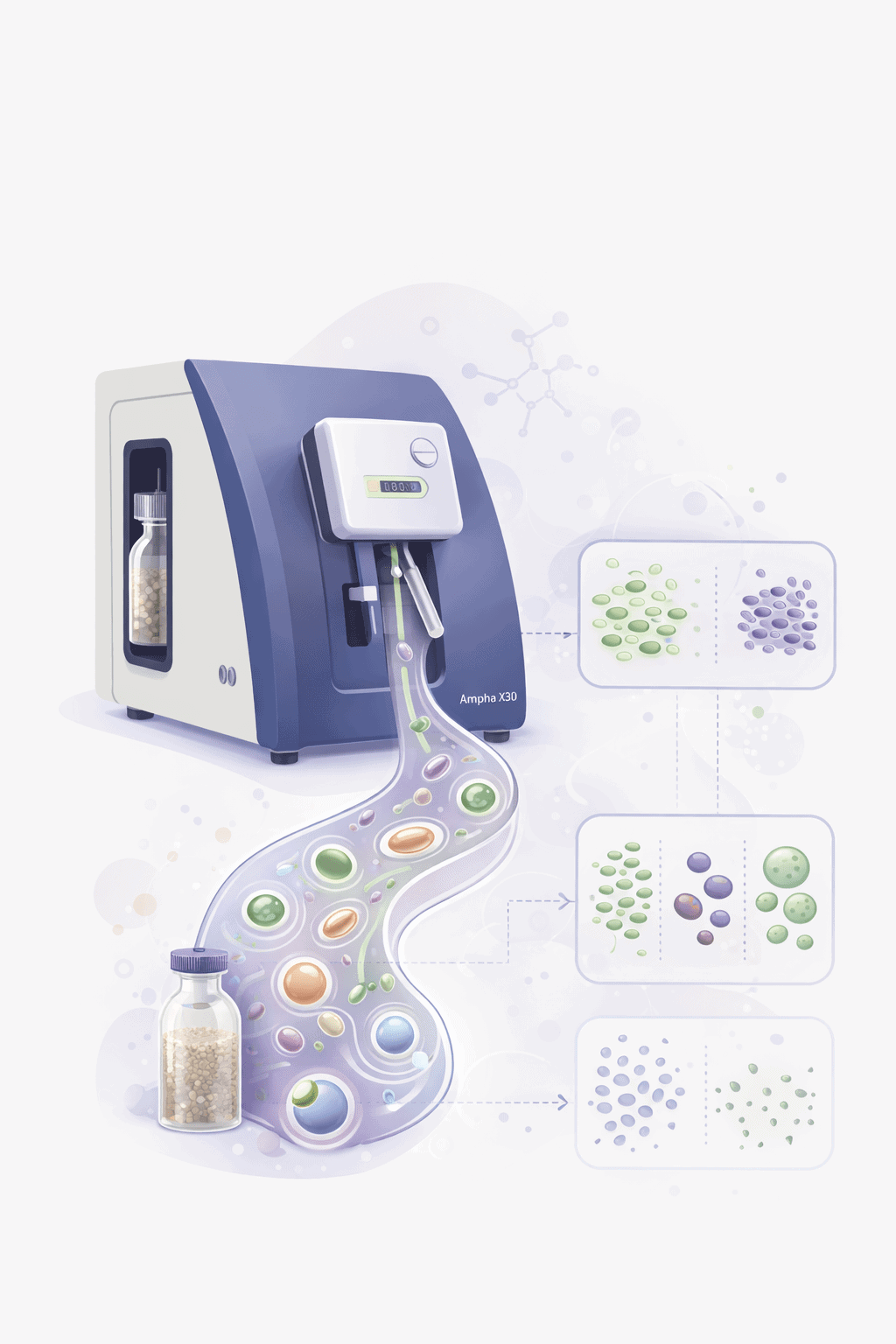
Unlike optical methods that require dyes, labels, or markers, impedance flow cytometry measures the properties of individual cells in an electric field. Different frequencies elicit different cell information.
This means:
- No staining, markers, or dyes required
- No incubation or calibration necessary
- Suitable for cells with a diameter of 1 to 50 µm
- Cells are not harmed and can be reused
- Single-cell resolution with real-time results
- Various AmphaChip channel sizes for maximum sensitivity
- No interference from autofluorescence, opaque or turbid media
- Quantitative, reproducible results regardless of operator experience
If we have not yet worked with your cell type or application, our team of application scientists will work with you to develop a measurement protocol tailored to your specific needs.
The Ampha X30 Platform
One instrument. Multiple AmphaChip sizes. A broad range of cell types.
Ampha X30
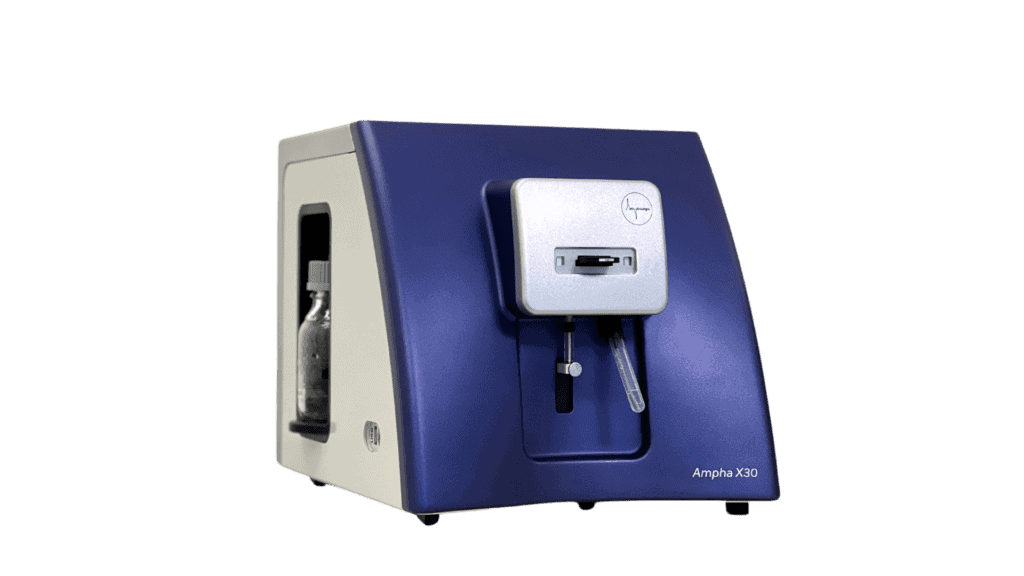
The Ampha X30 is the platform instrument for a large variety of cells and many different applications.
- Label-free viability, concentration, and cell state
- Compatible with cells from 1 to 50 µm: bacteria, yeast, mammalian cells, algae – and beyond
- Minimum sample preparation, short measurement time: immediate results
- Sophisticated software, GMP-ready
AmphaChip
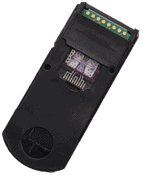
The AmphaChip is available in multiple channel sizes to match different cell diameters:
- Chips with channels of 10 µm, 30 µm and 50 µm for maximum sensitivity
- All cell types, always the same information: count, viability, metabolic state
- Single-cell resultion at real-time
- Electrical, no optical signals: no impact of autofluorescence, turbid and opaque media
Not sure which chip fits your cell type? Our team can advise.
How We Work With You on New Applications
01
Tell Us About Your Application
Describe your cell type, size distribution, typical culture conditions, and your research question. Our team will assess feasibility and provide an initial recommendation.
02
Feasibility Study
We conduct initial measurements with your samples to determine optimal conditions and chip size. Feasibility studies are offered as a paid service and typically include a detailed report with measurement data and protocol recommendations.
03
Protocol & Ongoing Support
Based on the feasibility results, you receive a customized measurement protocol tailored to your application. Continued application support and protocol optimization are available as part of our service packages.







Frequently Asked Questions
What cell sizes can the Ampha X30 measure?
The Ampha X30 can measure cells in suspension with diameters from approximately 1 to >50 µm. This covers most bacteria, yeast, mammalian cells, algae, insect cells, fungi, fungal spores, plant protoplasts, and many other cell types. If you are unsure whether your cell type falls within this range, contact us for a quick assessment.
Do I need a different instrument for different cell types?
No. The Ampha X30 is a single platform that works across cell types. The only component that changes is the AmphaChip, which is available in different channel sizes (10, 30, 50 µm) to match different cell diameters. Switching between cell types is as simple as changing the chip.
What if my cell type has never been measured with IFC before?
We regularly work with customers on new cell types. The process typically starts with a feasibility test. We will determine the most suitable conditions according to your information and develop an initial measurement protocol.
Can Impedance Flow Cytometry work with cells in complex or turbid media?
Yes. IFC measures electrical impedance, not optical properties. It is completely unaffected by media turbidity, opacity, autofluorescence, or the presence of non-cellular particles. This is one of the key advantages of IFC over optical methods.
Does Impedance Flow Cytometry work with adherent cells?
IFC requires cells to be in suspension. For adherent cells, a standard detachment step (e.g., trypsinization) is required before measurement. Once in suspension, adherent cells are measured the same way as any other cell type.
Can I measure mixed cultures or contamination?
A filtration step is performed before each measurement. This removes cells that are larger than the cell type being examined. This means that only cells of a smaller or similar size can be identified (e.g., bacterial contamination in yeast cell cultures).
Let’s Find Out Together
Are you working with a cell type that we are not yet familiar with? Tell us about your application – our team is always eager for new challenges.